You do not need a $30,000–$50,000 machine to start a professional wall printing business.
In 2026, an $8,000 equipment budget can already get you into the factory-direct commercial wall printer market, where options with Epson printheads, UV ink, white ink, automatic distance sensing, and commercial mural capability are available.
However, this budget also comes with trade-offs.
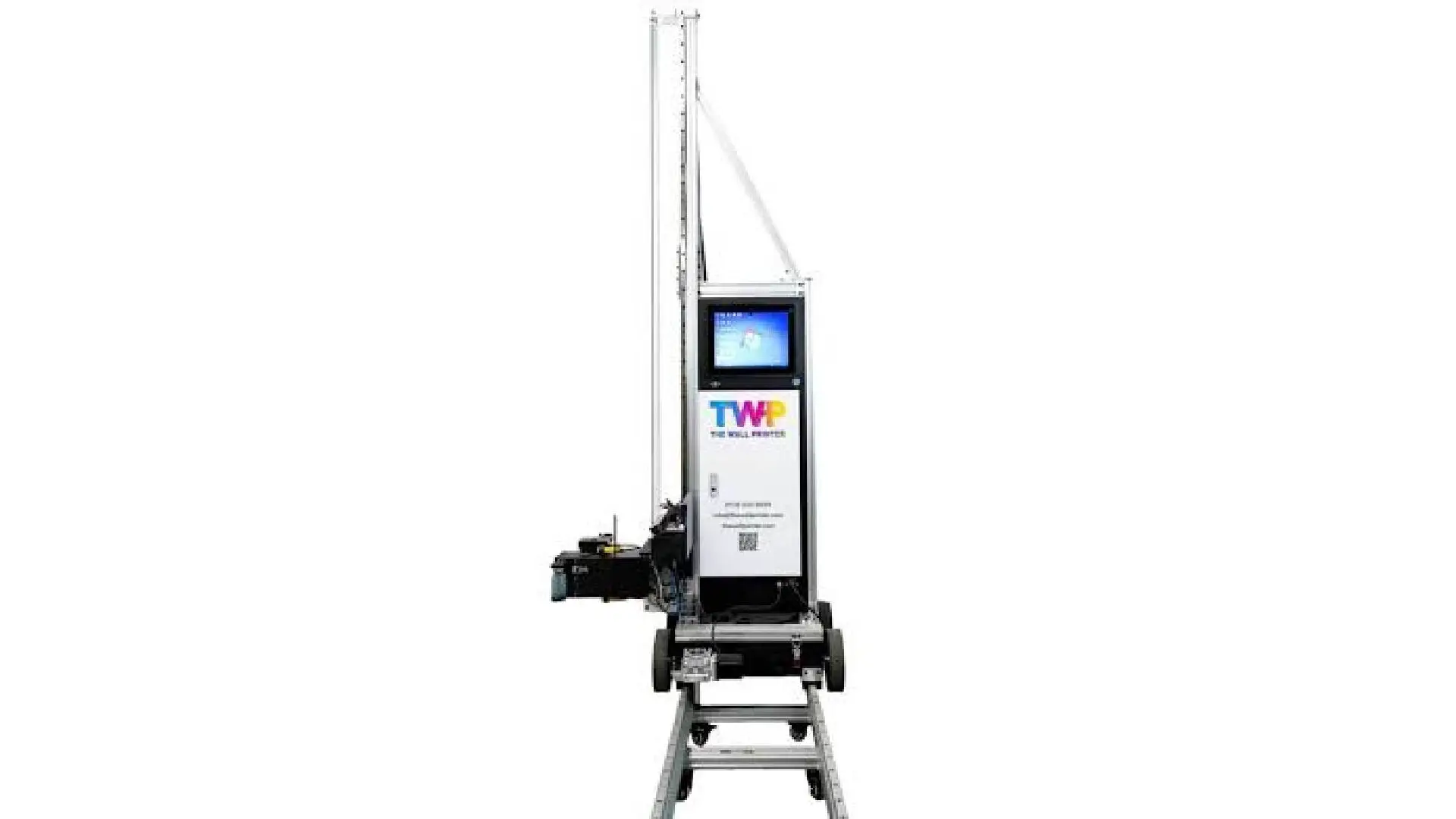
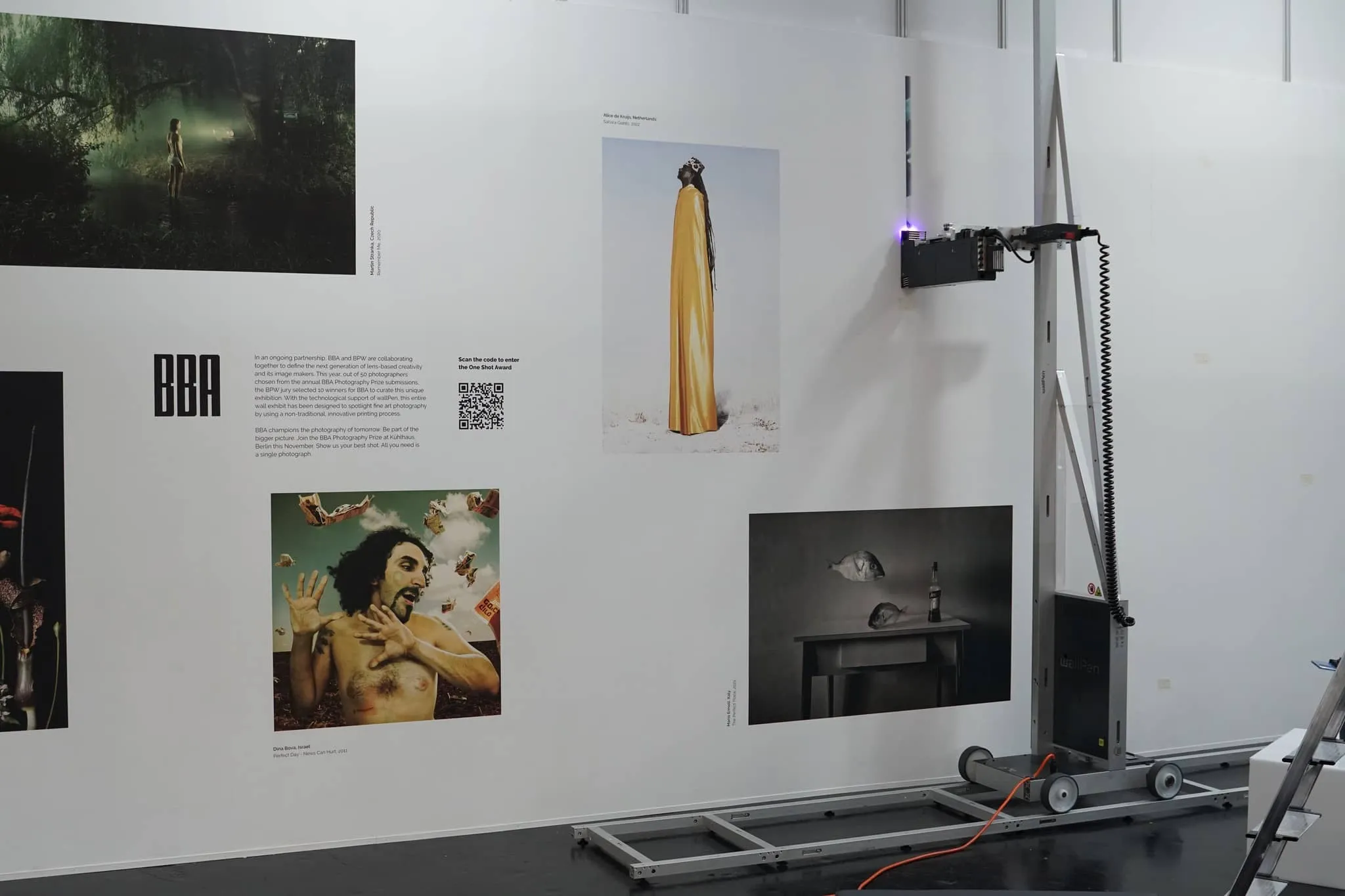
Most wall printers below $8,000 rely on online training, remote technical support, and international spare-parts shipping rather than a local technician network. Premium brands operate in a very different price category: The Wall Printer currently starts at $29,995, while Germany's wallPen starts at about $49,630 in the U.S. market.
So the real question is not:
“What is the cheapest wall printer?”
It is:
“Which wall printer gives my business the capabilities I actually need without pushing the startup investment beyond $8,000?”
For most first-time buyers, that means prioritizing the printhead, white-ink system, motion stability, software, wall sensing, spare parts, and support before chasing maximum DPI or headline printing speed.
Best Wall Printers Under $8,000: Quick Comparison
Model | Price Position | Best For | Main Advantage | Main Trade-Off |
|---|---|---|---|---|
WallPrintBox GP200I Starter | Range starts around $5,500 FOB | First-time business owners | Complete startup-oriented package | Remote rather than local service |
AntPrint E Series | $5,580 listed | Mobile commercial operators | Integrated system and competitive price | 2.5 m standard-height class |
HJZ WP-06 | Approx. $3,150–$4,410 marketplace listing | Budget-focused buyers | Very low entry cost | Requires more supplier due diligence |
MaxWave MW-UP200P | $4,380 listed | Small studios testing demand | Established Epson-based entry platform | Older DX7 single-head configuration |
Tanyu TPP1000 | Quote required | Buyers wanting a dedicated wall-printer manufacturer | Epson DX7/I1600 options and complete rail system | Must confirm final price stays below $8,000 |
Note: Prices can change with printhead configuration, ink system, shipping terms, taxes, accessories, and destination. Always request an itemized delivered quotation before comparing machines.
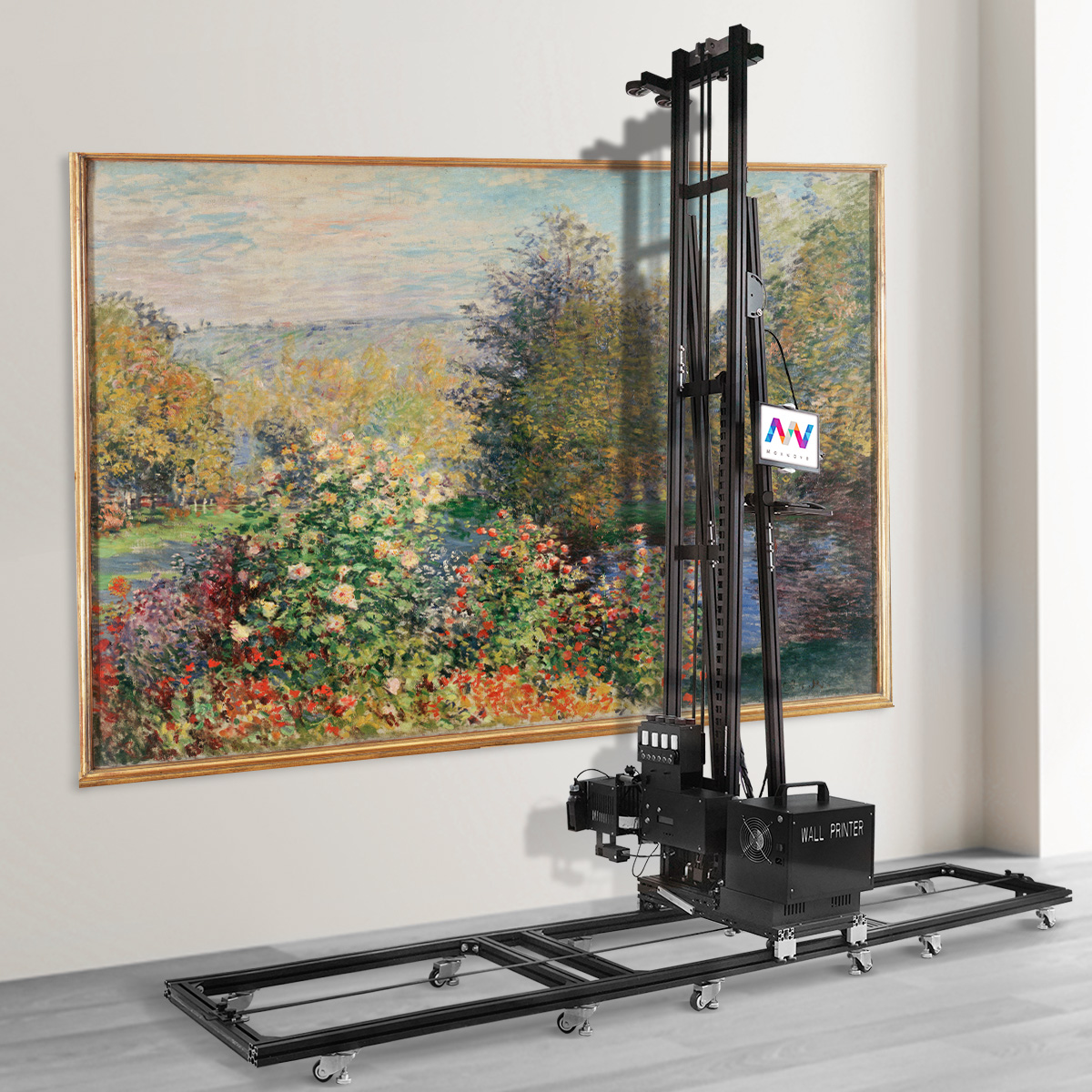
What Should an $8,000 Wall Printer Budget Buy?
A commercial wall printer below $8,000 does not need every feature found on a premium European or U.S. machine.
But it should still be capable of completing paid customer projects reliably.
At this budget, I would expect a serious machine to offer:
A recognizable Epson or comparable printhead, UV ink, white-ink capability for dark surfaces, wall-distance sensing, RIP and machine-control software, a stable vertical structure, and enough technical support to guide a new operator through installation and maintenance.
The biggest compromise is normally not image quality.
It is service infrastructure.
A factory-direct printer can produce excellent murals, but the operator may need to perform routine maintenance, calibration, and basic component replacement with remote guidance instead of calling a local field technician.
That model works particularly well for entrepreneurs willing to learn the equipment.
It is less attractive for companies where one day of downtime immediately creates expensive missed deadlines.
1. WallPrintBox GP200I Starter — Best Overall for First-Time Businesses
Best for: Entrepreneurs, small mural businesses, interior-decoration companies, and first-time wall-printer owners.
WallPrintBox positions its GP200I Starter as the entry point to a broader commercial product range. Its current public pricing band begins around $5,500 FOB for the GP200I Starter and runs upward for more capable configurations.
The main reason it stands out is not simply the hardware.
WallPrintBox packages the printer as part of a “Business-in-a-Box” system that includes software, ink, spare parts, training, marketing resources, and an ROI calculator. Its site also lists lifetime remote support alongside its parts warranty.
That makes it particularly suitable for someone who has never operated a wall printer before.
A first-time owner needs more than a printhead. They need to know how to assemble the machine, prepare artwork, calibrate the wall distance, manage white ink, run nozzle checks, maintain the printer, and quote actual projects.
Where It Fits Best
The GP200I is best suited to the kinds of projects that typically launch a small wall printing business:
Residential feature walls, children's rooms, cafés, restaurants, offices, retail interiors, salons, schools, and other small-to-medium commercial murals.
Main Trade-Off
The support structure remains primarily remote rather than a technician physically located in every buyer's city.
For technically independent operators, that may be an acceptable trade for the much lower entry price.
Best overall choice if you want the equipment and the startup support structure together.
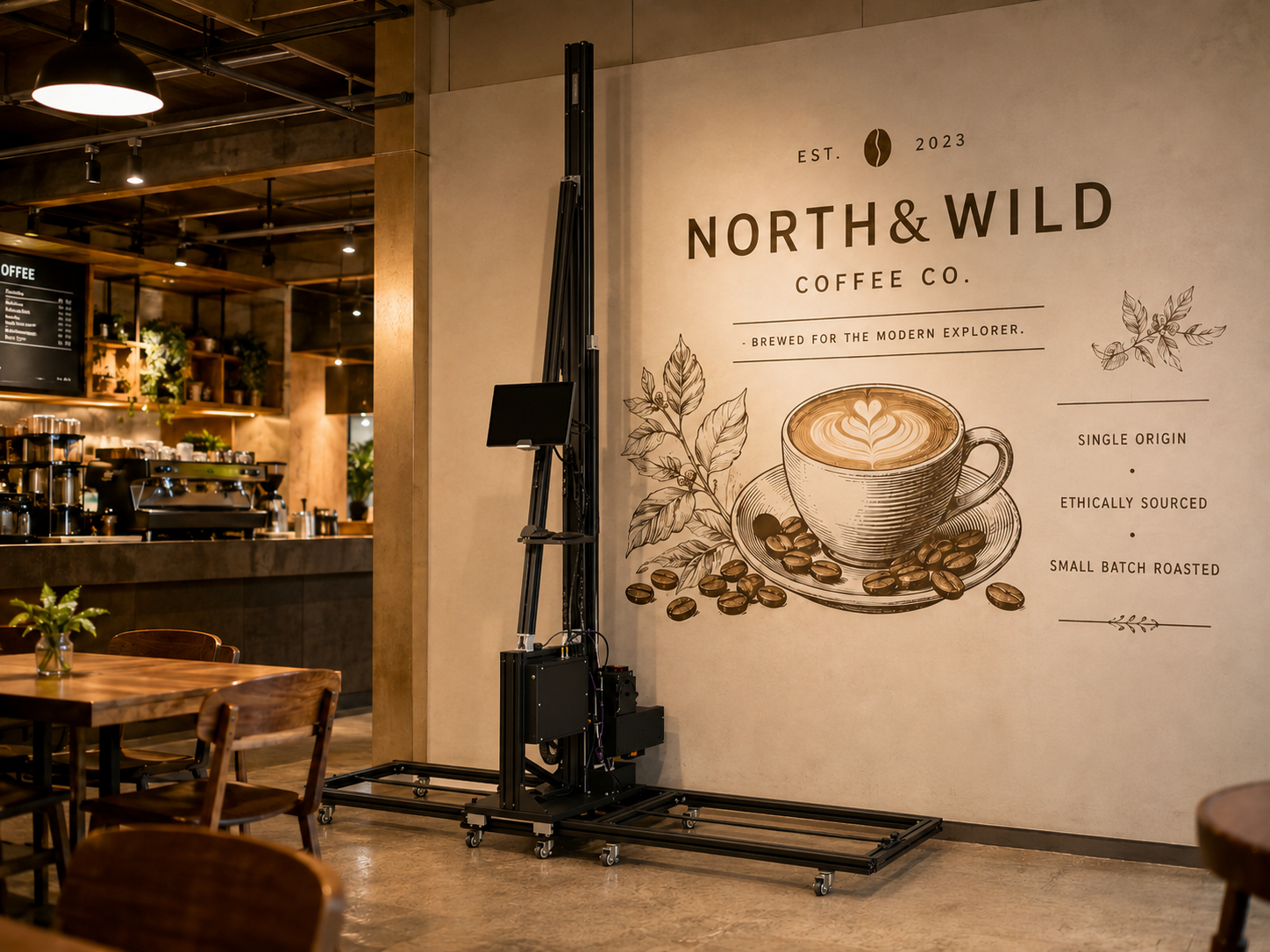
2. AntPrint E Series — Best Integrated Option Around $5,500
Best for: Mobile operators who want a relatively integrated machine for on-site commercial projects.
AntPrint currently lists its E Series direct-to-wall printer machine at $5,580, with shipping calculated separately depending on destination.
That puts it comfortably inside the $8,000 machine budget.
AntPrint's wall-printer range also includes several configurations around the mid-$5,000 level, making the company one of the clearer options for buyers who prefer visible online pricing rather than a quote-only process.
Why It Is Worth Considering
For a mobile business, convenience matters.
Every additional laptop, controller, rail component, and accessory has to be transported into a customer's house or commercial space and packed away again afterward.
An integrated wall printer can reduce that setup complexity.
It is therefore attractive for operators expecting to move frequently between residential and commercial projects.
Main Trade-Off
Before ordering, confirm the effective printable height and the cost of any extension system.
The maximum machine height and the maximum printable image height are not always the same thing.
Also verify which printhead configuration is included at the advertised price.
Best choice for buyers who value integrated operation and transparent entry pricing.
3. HJZ WP-06 — Best Low-Cost Factory Option
Best for: Experienced or technically confident buyers trying to minimize initial equipment cost.
HJZ is an established Chinese manufacturer that produces wall printers alongside other industrial laser and printing equipment. Its official wall-printer materials list applications on surfaces including walls, wood, glass, metal, and brick, with published printing speeds varying by configuration.
A current Alibaba listing for the HJZ WP-06 shows a price range around $3,150–$4,410 for MOQ 1, although marketplace pricing should always be reconfirmed directly with the manufacturer before purchase.
That makes it one of the lowest-cost options in this comparison.
Why It Is Interesting
A machine in the $3,000–$4,500 range leaves a large part of an $8,000 startup budget available for everything else the business requires.
That could include:
Shipping, starter ink, spare parts, transportation cases, website development, sample murals, local advertising, and working capital.
This matters more than many new buyers realize.
A wall printer that consumes your entire startup budget may leave you with no money to actually find customers.
Main Trade-Off
The lower the machine price, the more carefully the buyer should verify what is included.
Request the exact printhead, ink channels, rail configuration, software, warranty, spare parts, training method, and shipping terms in writing.
Also request a live or recorded print test using your own artwork.
Best low-cost option for buyers willing to perform more technical due diligence themselves.
4. MaxWave MW-UP200P — Best for Testing Market Demand
Best for: Small studios and entrepreneurs who want to enter wall printing with a relatively low equipment investment.
MaxWave currently lists the MW-UP200P at about $4,380, using a single Epson DX7 printhead and 5-color UV ink. It is positioned for applications including indoor murals, decorative glass, ceramic tile, and small metal signage.
This places it firmly in the entry-level commercial category.
Why It Makes Sense
Not every new wall printing business needs an I3200 dual-head system immediately.
A startup may spend its first year printing bedrooms, restaurant walls, café murals, office logos, and small retail projects.
For these jobs, reducing initial capital risk can matter more than maximizing throughput.
The money saved on the printer can instead support customer acquisition.
Main Trade-Off
The DX7 is an older printhead platform than Epson's newer I1600 and I3200 families.
That does not automatically make it a poor choice, but buyers should confirm the replacement-head price, availability, real quality-mode speed, and future upgrade path.
MaxWave's own pricing guide places newer I1600/I3200 configurations in higher price categories, with the dual-I3200 GP200X already sitting around $8,300—just above the budget ceiling of this article.
Best choice when minimizing startup risk matters more than owning the newest printhead generation.

5. Tanyu TPP1000 — Best Quote-Dependent Alternative
Best for: Buyers who want to work with a manufacturer focused specifically on wall-printing equipment.
Tanyu does not currently publish a fixed public price for every TPP1000 configuration, so I would not claim that every version qualifies for this list.
Instead, treat it as a quote-dependent option that is worth considering only when your final configuration remains below $8,000.
Tanyu's current wall-printer system offers DX7 or I1600 printhead options, a 3 m vertical pole, 6 m horizontal rail, and essential spare parts and tools in the standard system.
Why It Is Worth Requesting a Quote
Tanyu focuses heavily on wall printing rather than offering wall printers as a minor category inside a huge equipment catalog.
For some buyers, that specialization is valuable because the supplier has more experience with installation, white ink, wall sensing, rail setup, artwork workflow, and common wall-printer troubleshooting.
Main Trade-Off
Because the price is quote-based, buyers need to compare the complete configuration, not an advertised starting figure.
Ask whether the quotation includes the I1600 upgrade, UV ink, software, rail system, spare parts, training, packaging, and freight.
If the complete machine configuration moves substantially above $8,000, it no longer belongs in this particular comparison.
Best alternative for buyers willing to request and negotiate a complete factory quotation.
What About Printava?
Printava is another dedicated wall-printer brand worth researching, particularly its P600 Pro and P1000 Ultra families.
Its P600 Pro is positioned for startup and daily wall-printing use, with service resources, manuals, videos, and operation guides available for international users. The company also actively accepts enquiries from buyers with budgets below $5,000 and between $5,000 and $10,000.
However, Printava does not currently display a clear public machine price for the P600 Pro on the page I reviewed.
For that reason, I would request a quote rather than automatically rank it as a confirmed sub-$8,000 machine.
That distinction matters.
A “Best Under $8,000” article should not pretend that a machine meets the budget when the manufacturer has not actually confirmed the selling price.
Why Aren't wallPen and The Wall Printer Included?
Because they do not meet the budget requirement.
The Wall Printer currently advertises packages starting at $29,995, while wallPen lists its U.S. starting price at approximately $49,630.
Both companies offer broader service, training, and ownership packages, but they compete in a completely different investment category.
This is why most genuine options below $8,000 come from factory-direct manufacturers rather than premium regional brands.
The comparison should therefore be understood as:
Affordable commercial wall printers—not cheaper versions of $30,000–$50,000 premium service packages.
What Features Matter Most Under $8,000?
When the budget is limited, priorities matter.
Printhead Before Maximum DPI
Do not buy a machine simply because the product page says 2880 DPI.
Ask what printhead actually produces that output.
Epson DX7, I1600, and I3200 configurations have very different cost and production characteristics.
A recognizable printhead also makes replacement pricing easier to research.
White Ink Matters for Commercial Work
CMYK can work well on white and light-colored walls.
But if you plan to print dark walls, strongly colored surfaces, glass, wood, tile, or metal, white ink becomes much more important.
Check whether the system includes white-ink circulation or agitation.
White pigment settles more easily than ordinary color ink, so poor ink management can cause maintenance problems.
Wall Sensing Matters More Than Headline Resolution
Customer walls are rarely perfectly flat.
Distance sensors help keep the printhead inside its intended operating gap while the machine travels across the surface.
For an actual commercial wall printing machine, reliable wall sensing can prevent much more expensive problems than an extra resolution mode.
Software Must Be Properly Included
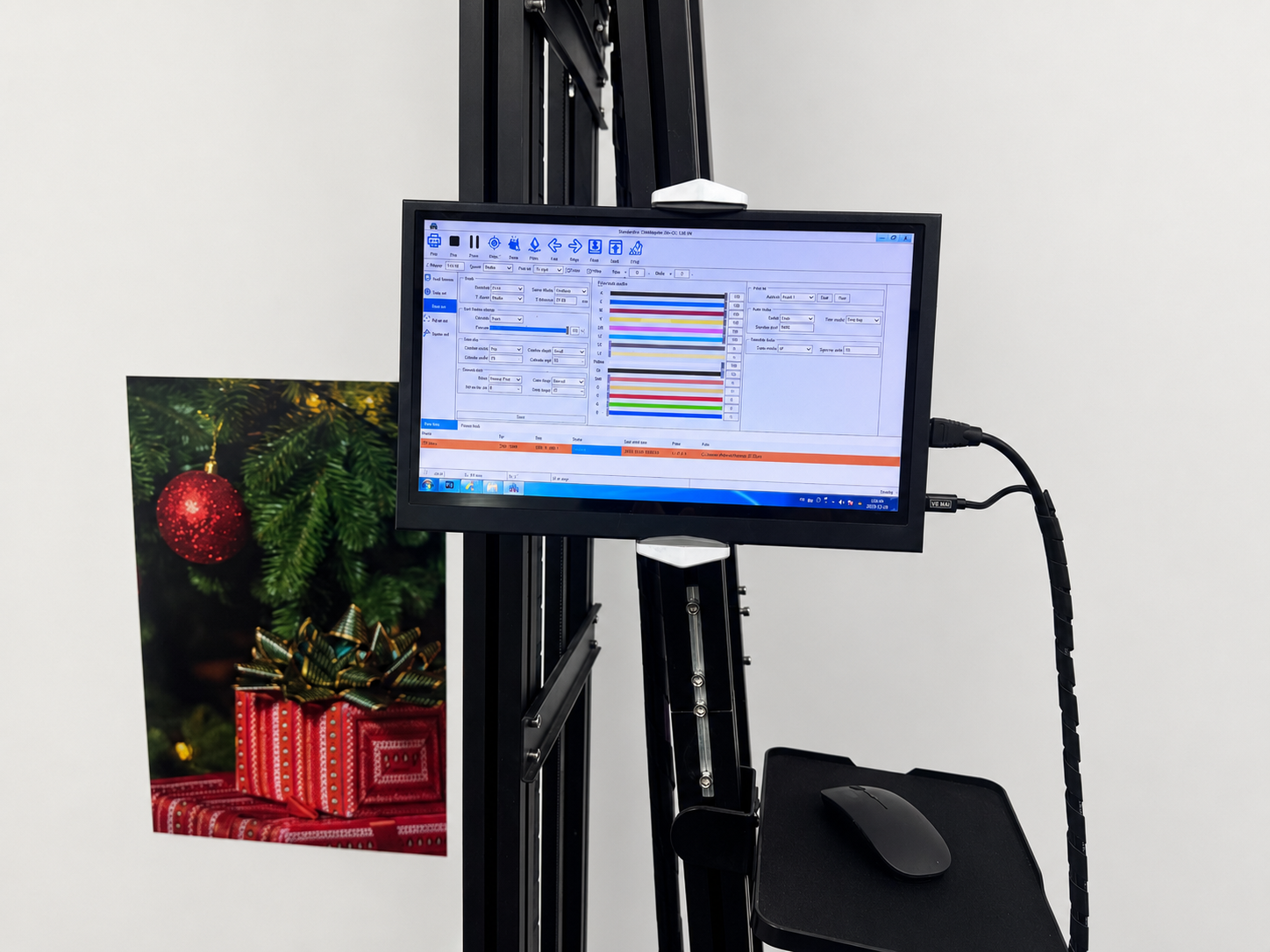
Ask exactly which RIP and machine-control software is supplied.
Confirm whether the license is permanent, whether updates are included, and what happens if the computer fails or needs replacement.
A perfectly functional printer can become useless when the software cannot be activated.
Spare Parts Are Part of the Machine
Before buying, ask for the current replacement cost and typical availability of the printhead, dampers, filters, capping station, pumps, sensors, motors, belts, and control boards.
With factory-direct equipment, keeping a basic spare-parts kit locally can significantly reduce downtime.
Do Not Spend the Entire $8,000 on the Printer
This is one of the biggest mistakes a first-time buyer can make.
An $8,000 equipment budget and an $8,000 startup budget are not the same thing.
Your business may also need:
Freight, duties or taxes, ink, cleaning fluid, spare parts, transport cases, insurance, a computer, sample printing, a website, and marketing.
That is why a $4,500–$6,000 machine may actually be a better business purchase than a printer sitting exactly at $7,999.
The lower hardware cost leaves room to acquire customers.
And customers—not maximum DPI—are what repay the equipment investment.
Which One Should You Choose?
For a first-time entrepreneur who needs more guidance, start by comparing the WallPrintBox GP200I.
For a mobile operator wanting clear online pricing, compare the AntPrint E Series.
For a technically confident buyer minimizing equipment cost, HJZ deserves consideration after careful specification verification.
For a startup testing local demand before upgrading, the MaxWave MW-UP200P offers a lower-capital entry route.
For buyers who want a wall-printer-focused supplier and are willing to negotiate a complete configuration, request a Tanyu TPP1000 quotation.
The best machine depends less on the ranking and more on your first customers.
A residential mural operator, sign shop, interior decorator, and commercial contractor may all make different choices with exactly the same $8,000 budget.
What Should You Ask Before Paying a Deposit?
Before transferring money, send each shortlisted supplier the same requirements.
Give them your expected wall materials, typical mural size, monthly workload, preferred ink configuration, and delivery destination.
Then request the exact machine configuration, printhead model, real production-mode speed, software license, white-ink system, included spare parts, training format, warranty exclusions, and delivered cost.
Also request a sample print using your own artwork.
Ideally, use a design containing fine text, gradients, faces, solid colors, and white ink.
Those elements reveal much more than a colorful demonstration image chosen by the supplier.
Compare real print results and complete ownership packages—not brochure specifications.
Conclusion
Yes, it is possible to buy a commercially useful wall printer for less than $8,000.
But this price category works best when buyers focus on business practicality rather than premium specifications.
WallPrintBox offers the strongest startup-oriented package. AntPrint provides an attractive integrated option with transparent online pricing. HJZ offers one of the lowest entry costs, while MaxWave provides a relatively affordable established Epson-based platform. Tanyu is also worth considering when a final quotation fits within the budget.
What you should not expect is the same local service infrastructure that comes with a $30,000–$50,000 premium machine.
In return, factory-direct equipment allows a new business to enter wall printing without tying up tens of thousands of dollars in hardware.
The most important principle is simple:
Do not buy the wall printer with the most features under $8,000. Buy the lowest-cost system that can reliably complete the murals your customers will actually pay for.
Planning to launch or expand a wall printing business with a limited equipment budget?
Send WallPrintBox your target applications, wall materials, typical mural size, expected monthly workload, delivery country, and total startup budget. The team can recommend a suitable configuration, arrange a sample print, and provide an itemized quotation so you can decide how much to invest in the printer—and how much to keep for actually growing the business.