Buying a large format wall printer in the U.S. isn't just an equipment purchase. It's a business decision. Get it right, and the machine pays for itself in six months. Get it wrong, and it drains your cash flow for years.
The difference comes down to two things: which brand you pick, and whether anyone stateside answers the phone at 7 a.m. — right before a client walkthrough.
Ten brands are on the American market right now. We compared real transaction prices, local support infrastructure, and performance across four distinct business scenarios. What follows is the honest, unglamorous breakdown that manufacturer spec sheets won't give you.
The Wall Printer® (TWP)
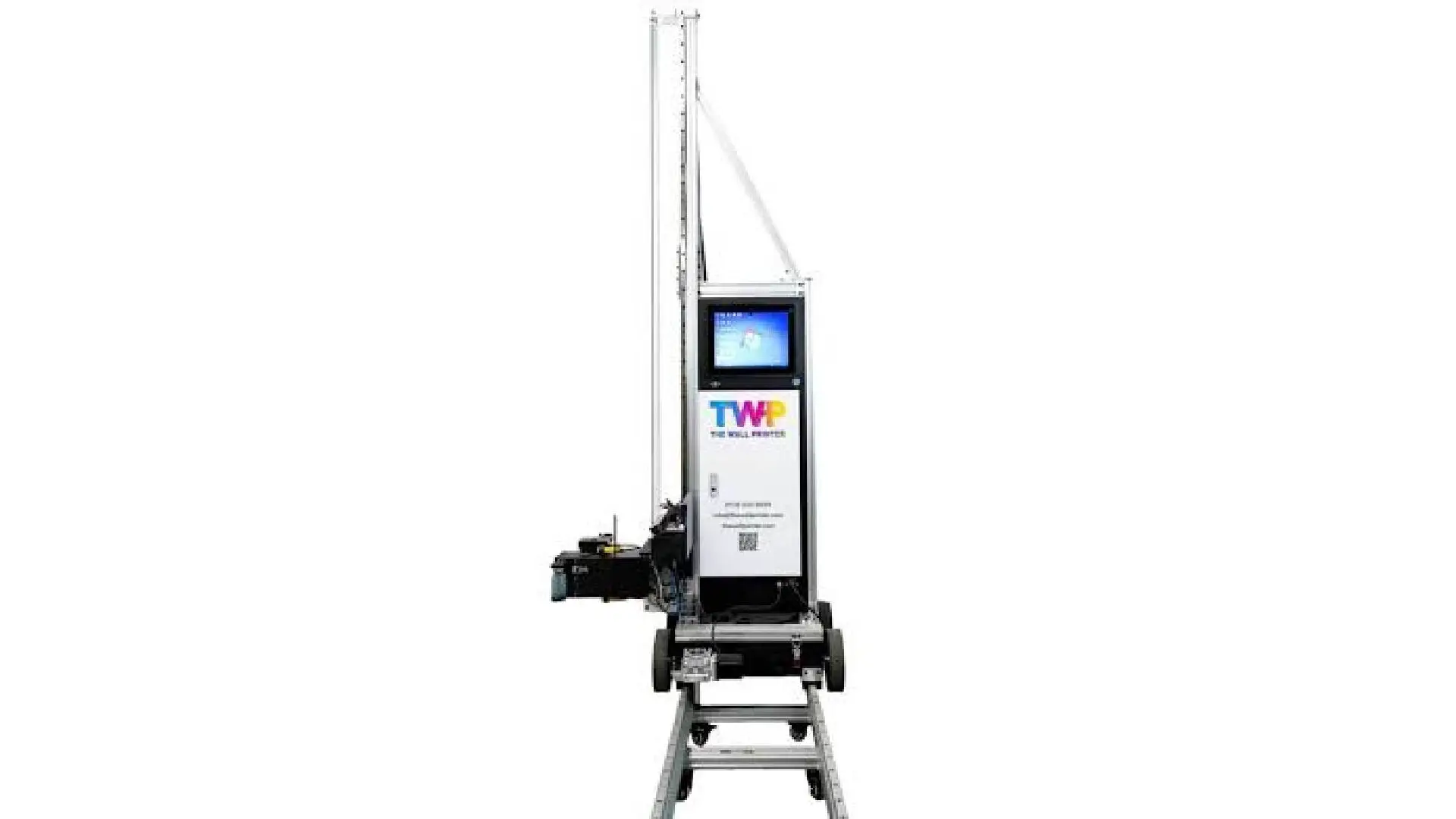
TWP isn't selling you a machine. It's selling you a business — and that distinction matters more than any spec sheet comparison.
Headquartered in Wilmington, North Carolina, The Wall printer® leads the U.S. market's premium tier. Hardware list prices run $39,995 for the Floor and Tech Series, and $44,995 for the Pro Series (WP-UV-PRO). Plan your full budget carefully — territory rights, training, consumables, and onboarding push the real-world transaction into the $40K–$52K+ range.
That's a serious commitment. Here's what you get for it.
What "Business-in-a-Box" Really Means
TWP's model runs closer to a franchise structure than a standard equipment sale. Your purchase includes:
Multi-day operator training — machine operation, software, color management
Ongoing business coaching — sales frameworks, pricing guidance, marketing support
US-stocked parts with estimated 1–3 day dispatch
Access to a support community and proprietary business resources
English-speaking support teams, stateside, who answer the phone
For first-time print business owners, that full ecosystem has real financial value. The learning curve on unsupported imports costs real money — and that's before you factor in downtime.
The Economics That Make It Work
TWP's published numbers are straight about the margin opportunity:
Ink cost: ~$0.16/ml ($160/liter)
40 sq ft wall: uses ~100ml of ink — $16 total ink cost
Time to complete: 2 hours, including setup and breakdown
At a market rate of $10–$20 per sq ft, that 40 sq ft job brings in $400–$800 in revenue against $16 in materials. Operators running 3–5 jobs weekly at average ticket values of $1,200–$1,800 can reach six-figure annual revenue without pushing extreme volume.
The math works — but only if you sell at premium rates. Your local market needs to support that pricing too.
Core Technical Specs
Spec | TWP Pro Series (Approximate) |
|---|---|
Print Technology | UV-curable CMYK + White |
Printhead | Epson i3200-class industrial |
Resolution | 720–1440 dpi (multi-pass) |
Speed | ~40 sq ft in 2 hours (incl. setup) |
Max Print Height | 2.5–3.5m (extendable) |
Substrates | Drywall, brick, concrete, glass, metal |
Who Should — and Shouldn't — Buy TWP
Strong fit:
- Commercial contractors and sign shops ready to put in $40K–$60K and charge at premium rates
- First-time print entrepreneurs who want structured onboarding, not a DIY experiment
Poor fit:
- Buyers with existing UV/CNC technical knowledge who want bare-metal savings through $7K–$12K imports
- Anyone on a sub-$15K budget — the economics don't line up
One critical question before you sign: Confirm what's covered under software licensing and whether annual renewal fees apply. Premium brands often separate territory rights and software access from the hardware price. Get that number in writing before you work out your ROI.
WallPrintBox
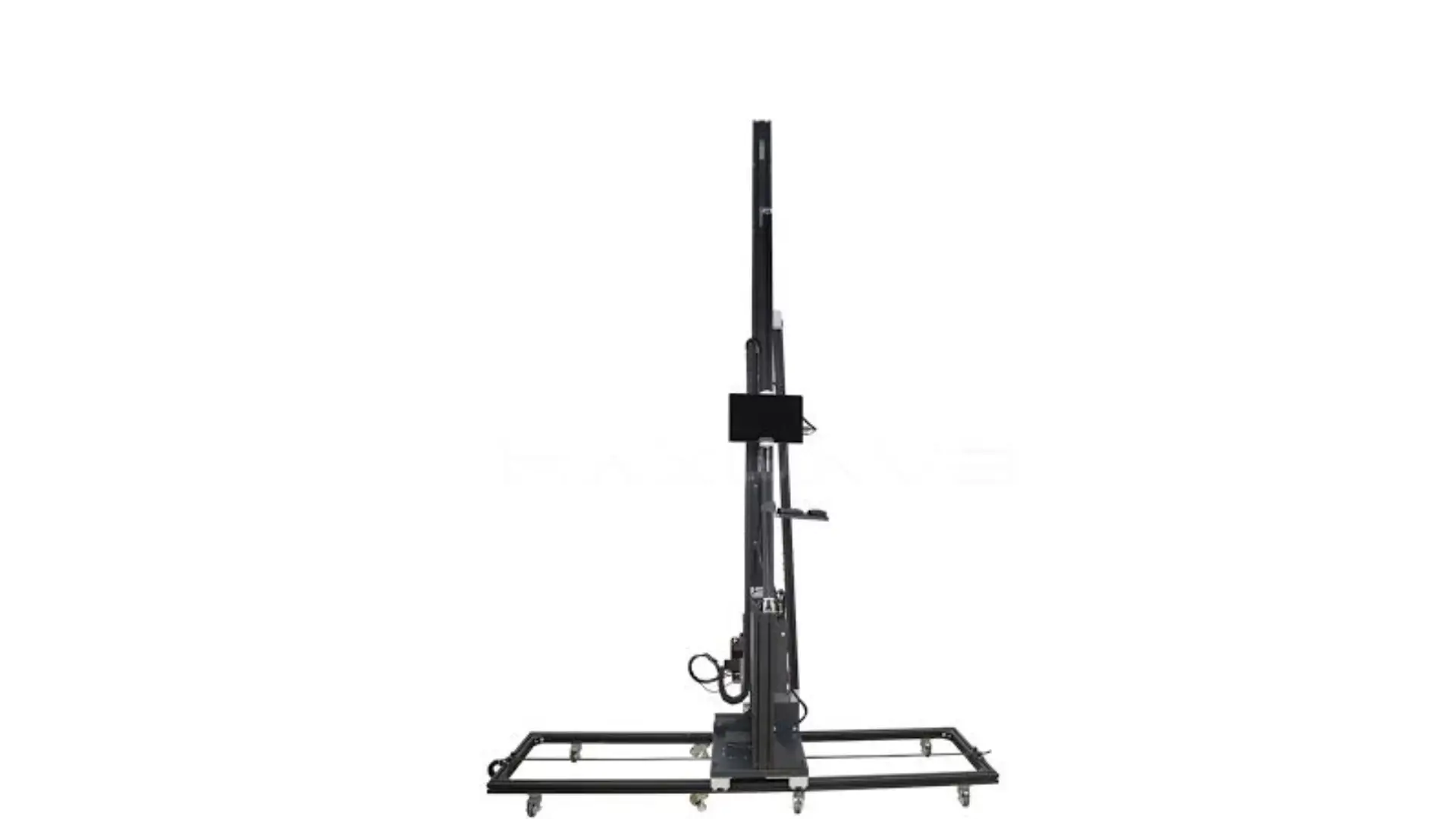
Browse the wall printer market for five minutes. You'll see the same problem: most options cost too much for a first-time operator, or they offer too little to make the investment worthwhile. WallPrintBox.com targets the space between those two problems.
The brand calls itself a portable vertical wall printer "business-in-a-box" — a full starter package built for solo operators, small sign shops, and mural studios. The goal is simple: offer on-site wall printing without tying yourself to a franchise.
What You Actually Pay
No public pricing is listed. But industry benchmarks for this category stay consistent:
Entry package: ~$6,500–$8,000 (basic UV wall printer, starter ink set, basic tools)
Mid-tier bundle: ~$8,500–$12,000, which includes:
Single or dual-head UV printer
Initial CMYK + White ink set
Online training academy access
Marketing templates and pricing guides
UV ink costs only about $0.40 per m², while wall printing services can charge $70–$90 per m². Low consumable costs and high service value create strong profit potential—making a wall printer an attractive business opportunity for entrepreneurs.
Here's a real solo-operator scenario built from comparable service providers:
Package investment: ~$8,500–$9,500
Average job: 8–10 m², billed at $700–$900
38 jobs over one quarter: $26,600–$34,000 gross revenue
Direct costs (ink, power, consumables): 10–20% of revenue
Net operating profit, Q1: ~$12,000–$16,000
Estimated payback period: 4–7 months
This isn't a guess. The numbers come from verified pricing data across active wall print service providers in similar markets.
Core Technical Specs
Spec | Benchmark Range |
|---|---|
Print Speed | ~25–40 min per 3×3 ft (4–8 pass modes) |
Max Print Height | 2.5–3.5 m standard; 4.0–4.5 m with extension |
Resolution | 1440 dpi standard; up to 2880 dpi high-precision mode |
Printhead | Dual Epson i3200-U1 |
Ink Type | UV LED-curable CMYK + White + optional Varnish |
Power | 110–220V single-phase, ~300–600W |
Machine Weight | 90–150 kg modular; fits standard van |
Support Infrastructure
No confirmed domestic warehouse data exists for this brand. Based on what similar distributors in this space offer, here's what to expect:
Email/ticket support with same-day or sub-24-hour response
Video-on-demand training covering calibration, maintenance, and color management
1–2 live remote onboarding sessions (2–4 hours each)
Optional on-site training through certified technicians at $600–$1,500 + travel
Regional demo units available via distributor networks in major metros
Before you sign anything, ask two direct questions: Are printheads and control boards stocked in-country? What does the actual parts shipping timeline look like? Get those answers in writing — not in marketing language, but as real SLA-style commitments.
Who This Is — and Isn't — For
Strong fit:
- Solo operators and small studios with a $5K–$12K budget who want to grow on their own terms — building their own client list and setting their own prices outside a franchise system
- Operators who can handle basic calibration, firmware updates, and RIP software on their own
Poor fit:
- Anyone who needs fast, hands-on on-site technical support. Downtime before a major job is a real risk here. Put your money into a brand with a solid domestic service network instead.
- Buyers who expect franchise-level business coaching and defined territory rights
Do this before anything else: check UV ink compatibility with your local climate. High humidity and cold temps both mess with curing consistency — and spec sheets almost never mention it. Inconsistent curing is the top reason adhesion fails on textured or matte latex walls. That's a job-killing problem, so verify it upfront.
WallPen
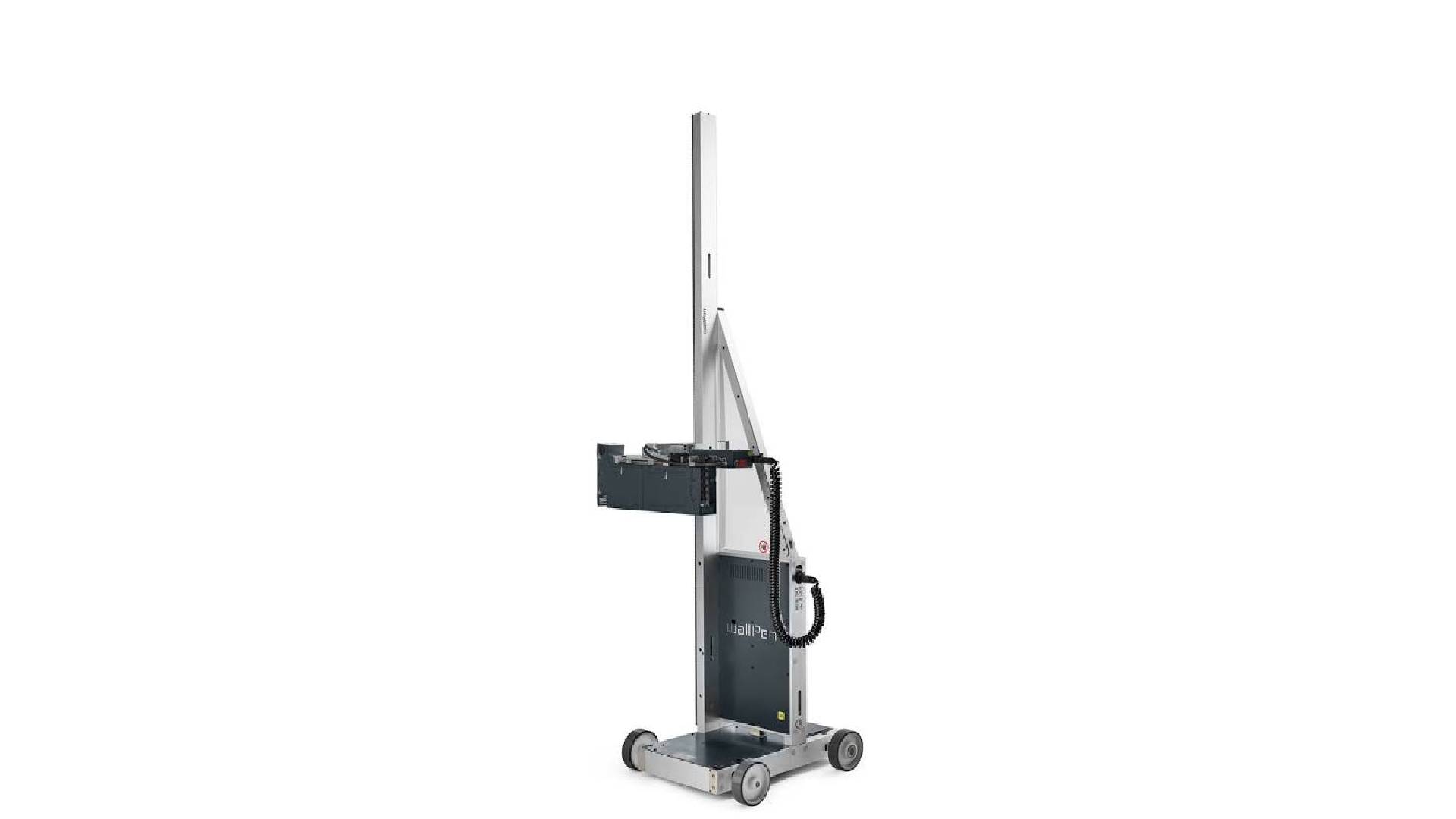
German engineering has a reputation for being unforgiving — in the best possible way. Wallpen, built by wallPen GmbH, earns that reputation.
The U.S. price starts at $49,630. That includes a 12-month ink flat rate. The E2 configuration with shipping pushes past $65,000+. At that price point, WallPen stands near the top of any honest high resolution wall printer comparison. You're paying for European precision — and the price reflects it.
What That Price Actually Includes
The ink flat rate is a bigger deal than it first appears. Your first year of operation, ink cost stops being a line item you stress over. WallPen's own FAQ makes this point directly: run the machine on a regular schedule, and those first 12–24 months produce a cleaner financial picture than competitors who hit you with heavy consumable costs up front.
The hardware backs up the investment:
Max print height: up to 13 ft (4 m) with extensions
Resolution: 300–1,200 DPI; standard operating mode at 600 × 720 DPI
Print speed: 21.5–32.3 ft²/hour in real-world conditions
Surfaces: concrete, glass, wood, metal, stone, textured wallpaper
Weight: 196 lb across 6 portable bags — fits in a van, but tight stairwells will slow you down
Ink consumption sits at 5–10 ml/m². Running cost lands around $2–$5 per m². Operators charging $20/ft² with a $500 minimum can pull in $4,000–$8,000 in gross revenue per month — even at moderate job volume.
The Honest Trade-offs
Replacement Ricoh printheads cost ~$600 each. You can only order them through WallPen. Spare parts ship from Europe, so budget 1–2 weeks for anything not kept in stock. That lead time is the number serious U.S. operators need to think hard about.
Best for: Commercial sign shops, interior contractors, and facility branding providers with $50K+ capital and a steady job pipeline.
Not for: Anyone who can't absorb a two-week downtime if a printhead fails the night before a major installation.
DXonJet
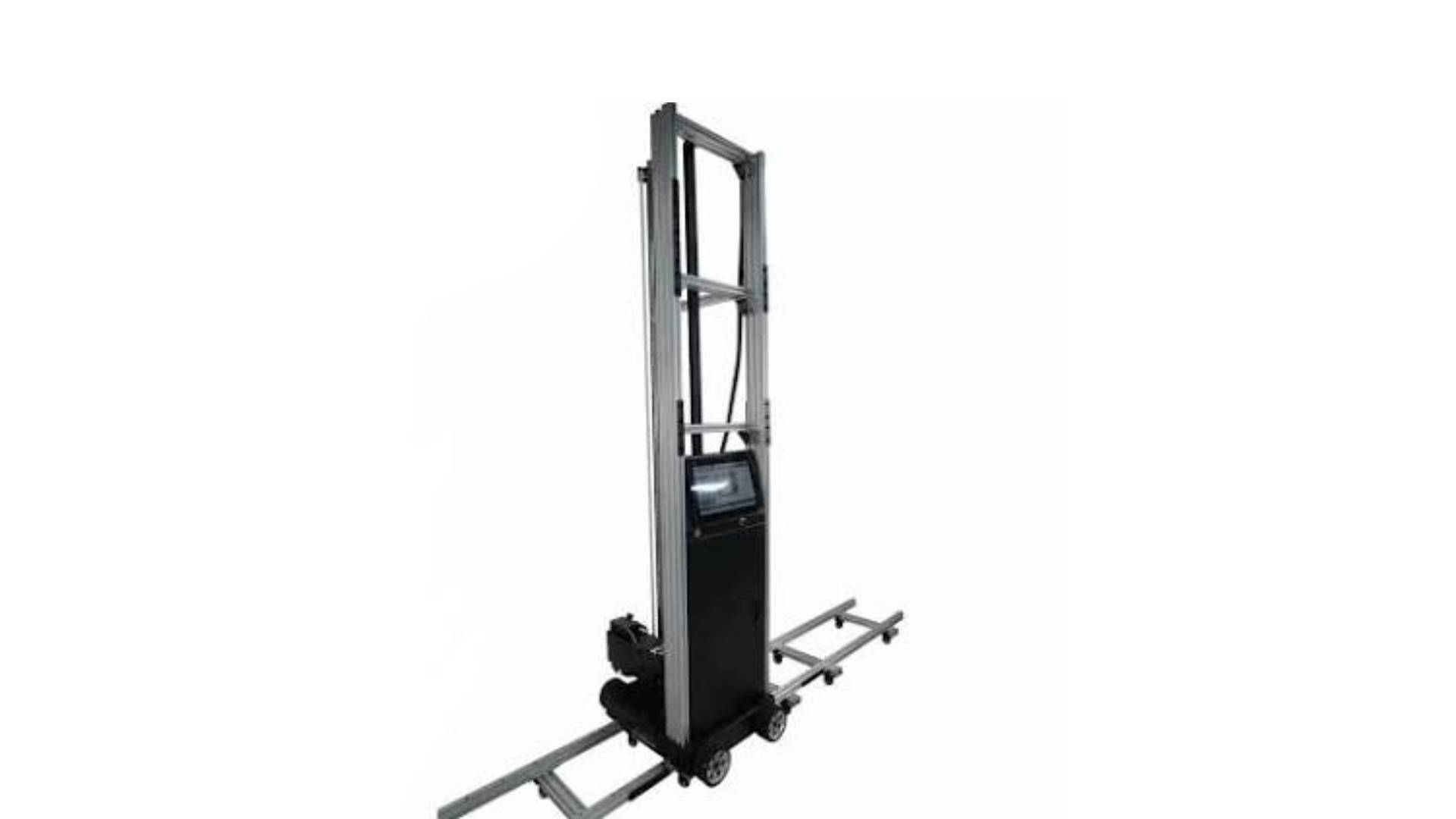
DXonJet sits at $25,000–$30,000 and includes a spare printhead. That price puts it in a real sweet spot — industrial-grade Chinese manufacturing, priced well below European alternatives. Yet it doesn't drop into bargain-bin territory, the range that makes experienced operators uneasy.
The flagship VPJet4.0 runs dual Epson i3200 UV heads. It prints up to 4.5 m high and hits up to 2,400 dpi resolution. Throughput sits at 5 m²/hour. You also get a built-in 13.3-inch touchscreen, 8 GB RAM, and a helical rack precision drive. Together, these specs put the VPJet4.0 firmly in the mid-range industrial category — and it earns that label.
The Part Nobody Highlights
The printhead assembly makes up more than 50% of the printer's total cost. DXonJet's warranty leaves it out entirely. That spare head in the box isn't a perk. It's a heads-up.
Parts ship from China. Plan for 2–4 weeks on anything critical. There's no confirmed U.S. warehouse and no in-country service depot. You get remote technical support and a Facebook owner community that steps in when things break down. That community is active — but it's not a replacement for local service.
Who It's Built For
Strong fit:
- Operators comfortable with UV head maintenance, RIP software, and hands-on troubleshooting
- Mid-commercial shops handling event backdrops, retail murals, and interior decor — and can handle occasional parts delays without panic
Poor fit:
- Anyone who needs emergency same-week support before a high-stakes commercial deadline
DXonJet's own ROI model projects ~$17,940 monthly net profit at target job volume. The math holds up — as long as you stay disciplined about margins and avoid losing weeks to downtime.
Friankor
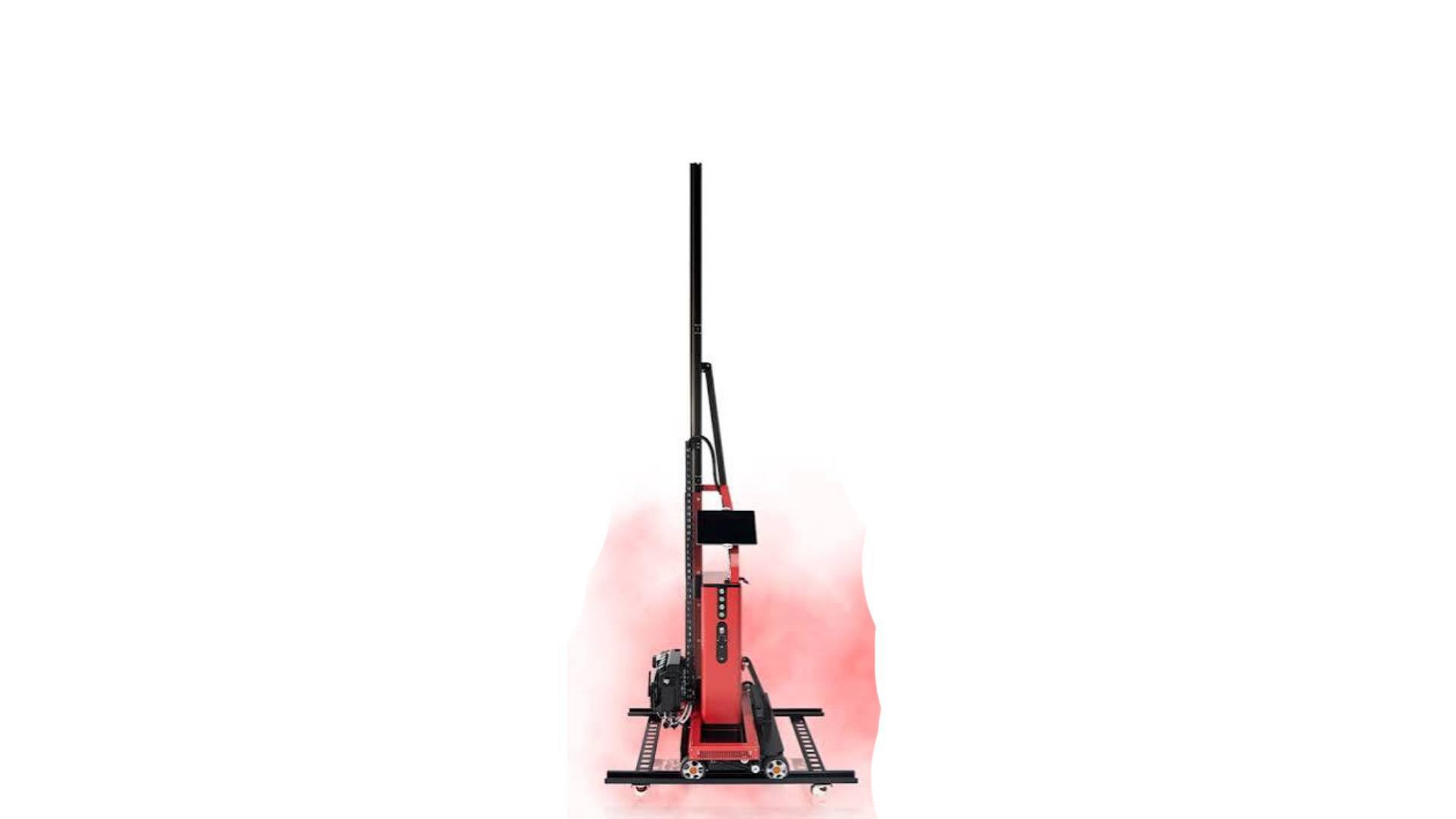
At $8,000–$17,000 landed, Friankor is the cleanest factory-direct option on this list. No distributor markup. No franchise fees. No territory licensing talks.
Nanjing Friankor Intelligent Technology Co., Ltd. started in 2019. They make two machines worth knowing:
MK-01 — wall-only printer, landing at $10,000–$14,000 in the U.S. after import costs
MK-02 — a 2-in-1 wall and floor printer. It switches between modes in about 60 seconds. Total landed cost runs $15,000–$19,000
That floor printing capability is a real advantage. Hotels, retail spaces, gyms, and restaurants want floor graphics alongside wall murals. The MK-02 handles both with one machine.
The Numbers That Matter
Ink cost sits at $0.50/m² — one of the lowest on this list. Operators charging $30–$100/m² for mural work can hit break-even in 3–6 months at a modest job volume. A $12,000 machine pays itself off in 24 jobs at $500 net profit each. That's a solid return on a mid-range budget.
Spec | MK-01 / MK-02 |
|---|---|
Price (landed, U.S.) | $10K–$19K depending on config |
Resolution | Up to 2880 dpi |
Print Speed | 2–6 m²/h; up to 16 m²/h fast mode |
Max Height | 4 m (extendable) |
Ink Type | UV CMYK + White |
Ink Cost | ~$0.50/m² |
Warranty | 2 years |
The Real Trade-off
Support comes through WhatsApp, email, and online documentation — all based in Nanjing. There's no U.S. warehouse. No domestic service depot. Parts ship from China.
Say a printhead fails the day before a hotel lobby installation. Your options shrink fast — remote troubleshooting and waiting. That's the honest risk with a direct China-sourced machine.
Strong fit: Startup operators and small studios with a $10K–$19K budget. You're comfortable handling tech issues, and you want real industrial specs without paying for brand ecosystem overhead.
Poor fit: Anyone whose business can't absorb a 2–3 week parts delay mid-project.
WallPrinters⁺
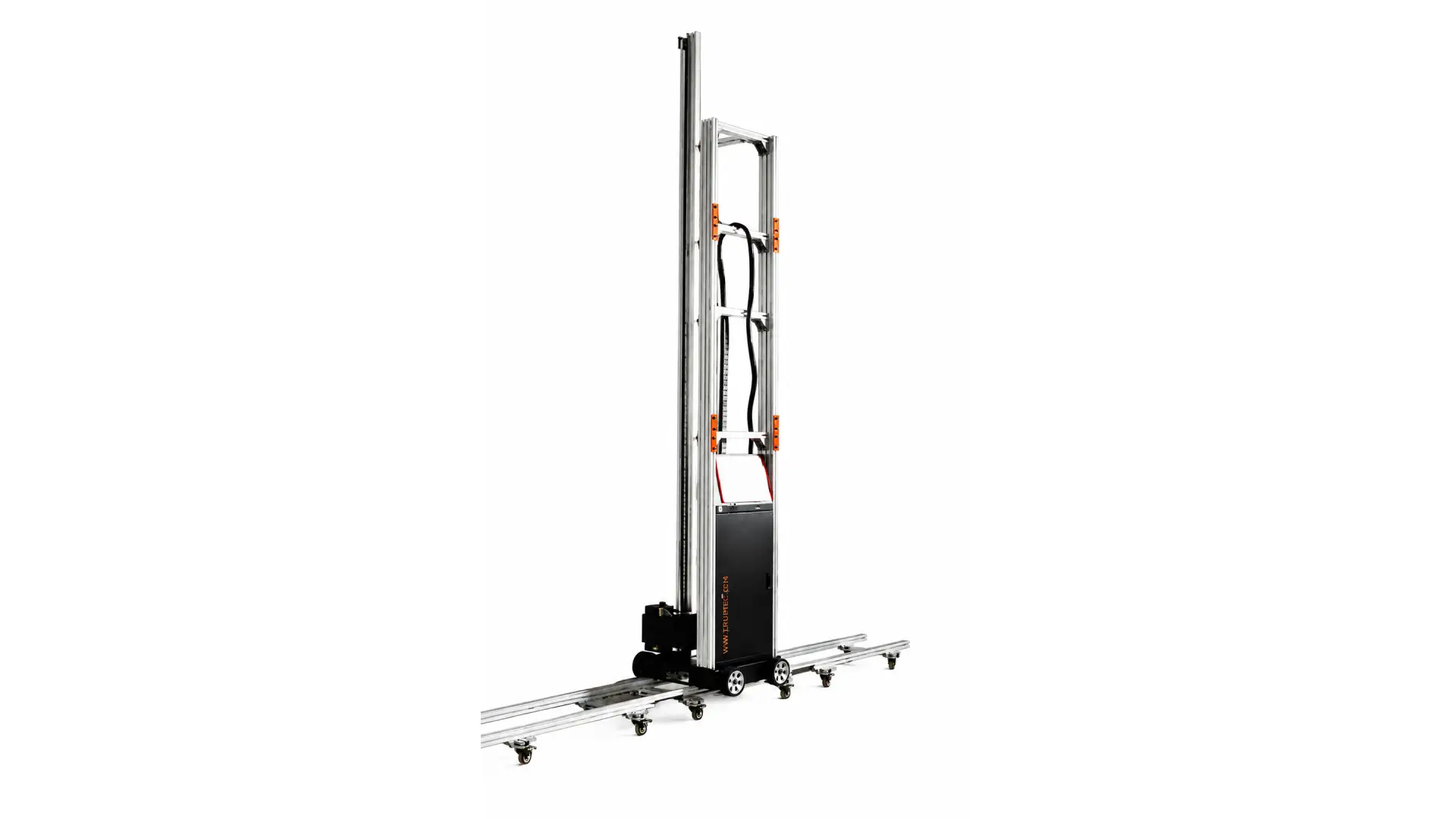
WallPrinters⁺ doesn't sell machines. It sells judgment — and for buyers buried in conflicting spec sheets, that's worth real money.
Based in Europe, WallPrinters⁺ calls itself the continent's largest wall printer supplier. They work as both advisor and distributor. They pick mid-to-high-end Chinese UV OEM machines, then pair them with pricing calculators, ROI modeling, and direct business coaching. Their credibility comes from one key claim: they run their own active wall printing operation. Every recommendation comes from real jobs, not factory brochures.
Price range: ~$9,000–$24,000 for curated configurations. Their own guidance puts €19,000 net as the real entry point for professional-grade work.
The Economics, As They Teach It
Their profit calculator works from €5/m² all-in running costs (ink, consumables, power) plus €120/month in spare parts. At market rates of $20/sq ft with a $500 minimum, those margins are solid. Their payback model targets ~5–6 months at 8 jobs per month. One average job per month covers a lease payment.
Core Specs (Typical Curated Configuration)
Spec | Range |
|---|---|
Resolution | 720–1,200 dpi |
Printhead | Epson U1 / Ricoh-class |
Max Print Height | 2.5–3.0 m (extendable) |
Print Speed | ~1 m²/hr at 8-pass |
Ink Type | UV CMYK + White |
Running Cost | ~€5/m² all-in |
The Honest Caveat
WallPrinters⁺ is EU-focused. U.S. buyers get remote consulting and drop-shipped OEM hardware — no domestic warehouse, no on-site service depot. Support runs on a ticket system with a ~24-hour response time.
Before you buy, verify one thing: which OEM factory is supplying your machine. WallPrinters⁺ acts as a filter between you and dozens of Chinese manufacturers. Know what you're getting beneath the advisory layer. Ask directly, and get a clear answer.
Strong fit: Startups and analog muralists moving into digital work. You should be comfortable putting in €15K–€25K and following a structured pricing playbook.
Poor fit: Large commercial buyers who need branded OEM accountability and on-site service contracts.
ArtJet Vertical Systems
Convention center walls don't care about your supplier relationship. They care whether your machine shows up, calibrates fast, and prints clean. Six days straight. Across overlapping events. No room for a two-week parts delay from overseas.
That's the operational reality ArtJet Vertical Systems is built around.
Priced at $13,500–$21,000, this mid-tier configuration targets a specific buyer. The expo contractor. The hotel corridor specialist. The retail muralist who's outgrown entry-level single-head imports but isn't ready to drop $50K on European hardware.
What's Under the Hood
The core is a dual Epson i3200-U1 UV printhead setup. That dual-head design matters more than the spec sheet lets on. One head drops nozzles mid-project? You keep printing. Single-head machines don't give you that cushion.
Spec | ArtJet Vertical Systems |
|---|---|
Printhead | Dual Epson i3200-U1 UV |
Resolution | Up to 1440 dpi |
Max Print Height | 3.0 m native; 3.5 m with extension kit |
Speed (8-pass quality) | ~38 min per full-height section |
Speed (4-pass draft) | ~20–24 min per equivalent area |
Ink Type | UV-curable CMYK + optional White/Varnish |
Power | 220V single-phase, 1.5–2.5 kW |
Substrate Tolerance | ±10 mm wall flatness variance |
The Support Structure That Changes the Calculation
Here's where ArtJet pulls ahead of comparable direct-import machines at similar price points: U.S.-side integration. A West Coast parts and assembly depot — operating in line with California/Nevada importer-reseller setups — means critical components like printheads, UV lamp power supplies, and linear rails ship UPS ground within 72 business hours of fault confirmation.
That's not glamorous. But it's the difference between a delayed job and a lost client.
Remote support runs through 90-minute diagnostic blocks via TeamViewer. Each session covers the RIP PC and printer firmware at the same time. On-site commissioning and three-day production training are available as an add-on at $1,500 plus travel. That covers head cleaning protocols, ICC profile management, and handling uneven walls.
One thing to flag on operating environment: ArtJet's UV inks perform best at 18–28°C. Venue HVAC is unpredictable. Budget for temperature monitoring on multi-day convention installs. It's a real cost driver that's easy to overlook.
The ROI Case That Holds Up
A Denver-based expo contractor ran an ArtJet-type configuration across six weeks at a single convention complex. They printed 12,000 linear feet of wall and panel graphics at 68% machine utilization. Billed at $6–$8 per linear foot, gross project revenue landed between $72,000–$96,000. The all-in machine investment came to $18,000 — hardware, freight, training, and first ink set. Payback cleared in 5.8 months.
Operators who run this machine report the same thing: low daily maintenance burden. A head wipe, a capping station check, lubrication once a week. Color output stays stable as long as room temps hold steady.
Before You Commit
Three things to verify in writing before signing any purchase agreement:
Indoor VOC compliance documentation — corporate, hospital, and school contracts now require GREENGUARD-equivalent certification more and more. Get actual testing reports, not marketing assurances.
SLA specifics — confirm the 72-hour replacement window covers printheads and electronics. Ask outright whether loaner components are available for major event deployments.
RIP license terms — confirm the license is perpetual or multi-year, includes ICC profiles for standard interior paint finishes, and isn't tied to an annual dongle renewal that quietly raises your operating cost.
Strong fit: Mid-commercial operators handling hotel corridors, retail feature walls, office murals, and event graphics — with a $15K–$30K capex ceiling and a preference for domestic support over franchise overhead.
Poor fit: Sites with unstable 220V power supply. UV lamp boards and head electronics are sensitive to voltage sags. Venues with inconsistent power need an online UPS and AVR in place before the machine ever arrives.
PrintWall USA
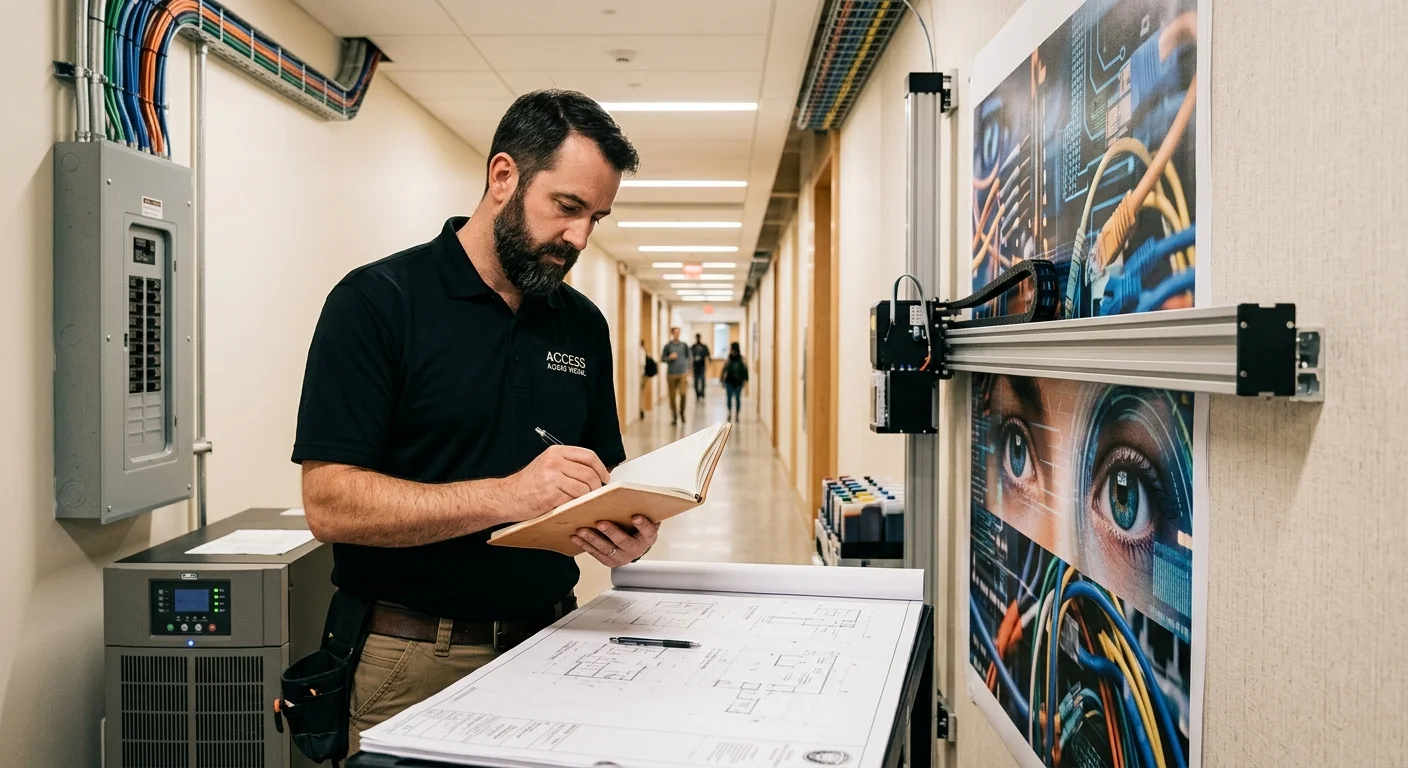
PrintWall USA doesn't show up in Commercial Integrator vendor databases or ProAV award coverage. That absence tells you something important about who this machine is — and isn't — built for.
This is not a solo-operator brand. It targets commercial AV integrators, multi-site facility contractors, hospital systems, and large university networks. These buyers evaluate equipment the way attorneys review contracts: documentation first, price second.
Price range: $22,000–$34,000, depending on configuration. That's not a number that attracts weekend muralists. It's a number that makes sense once you see what's bundled inside it.
What "Integrator-Grade" Costs You — and Buys You
The premium isn't arbitrary. It reflects a specific cost structure that direct-import machines don't carry:
Compliance documentation — FCC/electrical certifications, SDS/MSDS ink safety data, emissions testing. Healthcare and school district contracts now require this paperwork before a machine enters a building. Skip it, and your $12K import gets turned away at the door.
U.S. parts warehouse covering ~90% of failure-prone SKUs — printheads, encoder strips, sensors, boards — with a realistic 48–72 hour downtime on most incidents
Certified field technician network with 24-hour phone support and weekend emergency dispatch for live institutional jobs
Regional demo sites in Texas, Illinois, and California for pre-sale proof-of-concept visits
Core Technical Specs
Spec | PrintWall USA (Benchmarked) |
|---|---|
Printheads | Ricoh Gen5 or Kyocera |
Resolution | 1,440–2,400 dpi |
Max Print Height | 2.8 m standard; ~4.0 m with track extension |
Speed (8-pass quality) | ~35 min per full-height section |
Ink Set | UV CMYK + White + Primer + optional clear coat |
Curing | LED-UV, 395–405 nm low-heat |
Substrates | Drywall, primed MDF, laminates, glass, metal |
The Atlanta Case Study Worth Running
An Atlanta-based integrator swapped hand-painted murals at a large institutional facility for a PrintWall USA-type system. The before picture was rough: multi-day artist-dependent jobs, expensive rework every time stakeholders changed their minds mid-project.
After deployment:
Project cycle time dropped ~60% — digital mockups sped up approval; most corridor installs wrapped in a single day
Rework fell below 3% — changes caught at proof stage before a single drop of ink hit the wall
Payback landed at ~18 months — driven by recurring multi-facility branding rollouts, not one-off jobs
For a $22K–$34K asset running on a steady institutional pipeline, that timeline makes sense. It matches how ProAV buyers have always evaluated platform-grade vendors: recurring revenue, documented processes, and risk reduction on high-margin contracts.
Who This Machine Is Built For — and Who Should Walk Away
Strong fit:
- Large AV integrators, multi-site hospital systems, university networks, and national décor contractors who need audit-ready documentation, consistent output across dozens of locations, and a domestic service team that picks up on weekends
- Mid-tier regional facility vendors adding in-house wall graphics as a recurring revenue line — the base configuration sits right in the $15K–$30K commercial tier
Poor fit:
- Solo operators and low-volume decorators. Premium integrator pricing plus service contracts is hard to justify on sporadic machine use. A lower-cost import or outsourced trade shop serves you better at that volume.
- Anyone buying on hardware price alone. One printhead failure on a hospital corridor job — with no U.S. parts warehouse or field technicians behind it — will erase every dollar you saved upfront.
The buyers PrintWall USA is built for aren't chasing the lowest invoice number. They're managing institutional risk — and they'll pay a fair premium for a machine that doesn't add to it.
VertiPrint Commercial
Outdoor wall printing is a different discipline. Wind, dust, temperature swings, direct sun — these conditions would destroy a climate-controlled interior machine before noon on a Tuesday.
VertiPrint Commercial is built for that environment. It targets municipal murals, transit shelter graphics, and public-art revitalization work. For these jobs, weatherproofing isn't a nice-to-have — it's the whole point.
Transaction price range: $18,000–$29,000. That puts it in the mid-commercial bracket. You've outgrown entry-level imports, but you're not ready to commit $50K+ to a European system. This machine sits right in that gap.
The Spec That Matters Outdoors
The sealed carriage is the detail worth focusing on. It blocks dust ingress and keeps the printhead running in exposed environments. That's the real dividing line between a true outdoor-duty machine and an indoor printer someone dragged outside.
Spec | VertiPrint Commercial |
|---|---|
Printhead | Epson i3200-U1 (sealed carriage) |
Resolution | 1,200 dpi |
Max Print Height | 3.5 m standard |
Speed | ~42 min @ 8-pass outdoor output |
Ink | Weather-resistant UV + adhesion promoter |
Support Infrastructure
Regional reps cover the Midwest and Southeast. The support package includes:
Weatherproofing training modules
48-hour remote support window
Scheduled on-site visits
Outdoor substrate prep guide
For a machine doing exposed public-art work, that regional parts network matters as much as the hardware itself.
One non-negotiable before any outdoor bid: check adhesion promoter compatibility with local masonry. Bond failure on a municipal mural isn't a rework problem — it's a contract problem.
Strong fit: Mid-commercial operators targeting outdoor murals and public infrastructure graphics in the $15K–$30K capex range.
Poor fit: Indoor-only decorators. This machine is built for exposure tolerance. Running it indoors means paying for capabilities you'll never touch.
DirectMural Tech
Some machines are built to run a business. DirectMural Tech is built to start one — and that's a real difference before you spend a dollar.
Transaction prices fall between $4,200–$8,500. The low end gets you a single-column portable UV CMYK printer, drop-shipped from a Chinese factory, EXW or FOB, with minimal warranty. The upper end adds English software, a remote training session, a spare ink set, and a basic one-year parts warranty — with the printhead left out, of course.
What the Specs Tell You
Spec | DirectMural Tech |
|---|---|
Printhead | Single Epson U1 (entry-grade) |
Resolution | 720 dpi native; 1080 dpi software-interpolated |
Max Print Height | ~2.4 m |
Speed (8-pass) | 60–80 min per 2×2 m area |
Ink Type | UV CMYK — no white, no varnish |
Ink Cost | ~$45–$80/liter (third-party compatible) |
No white ink is the detail that hurts on real jobs. Print on any dark or colored wall and you'll be hand-rolling a white rectangle first. On residential nursery murals, that's a minor hassle. On a corporate branding install, it shows for what it is — a workaround.
Parts ship from China. Budget 12–18 days for anything critical. There are no U.S. field technicians, no domestic warehouse, no SLA. Support means WhatsApp, time-zone delays, and YouTube tutorials.
The Operator Who Makes This Work
A solo creative running kids' room murals at $350 per job books three jobs a week. That's $4,200/month gross. Total machine cost — hardware, import, tools — runs $5,000–$6,000. Payback lands around five months.
That math holds — as long as you accept that 0.5–1 day per week goes to recalibration, encoder cleaning, and ink line troubleshooting. Your schedule absorbs the downtime. Your clients never see it.
Strong fit: Hobbyists, home-studio creatives, and startup operators under $5K who want proof-of-concept before moving to mid-range commercial hardware.
Poor fit: Anyone with a deadline, a commercial contract, or a client who expects the machine to just work.
Conclusion
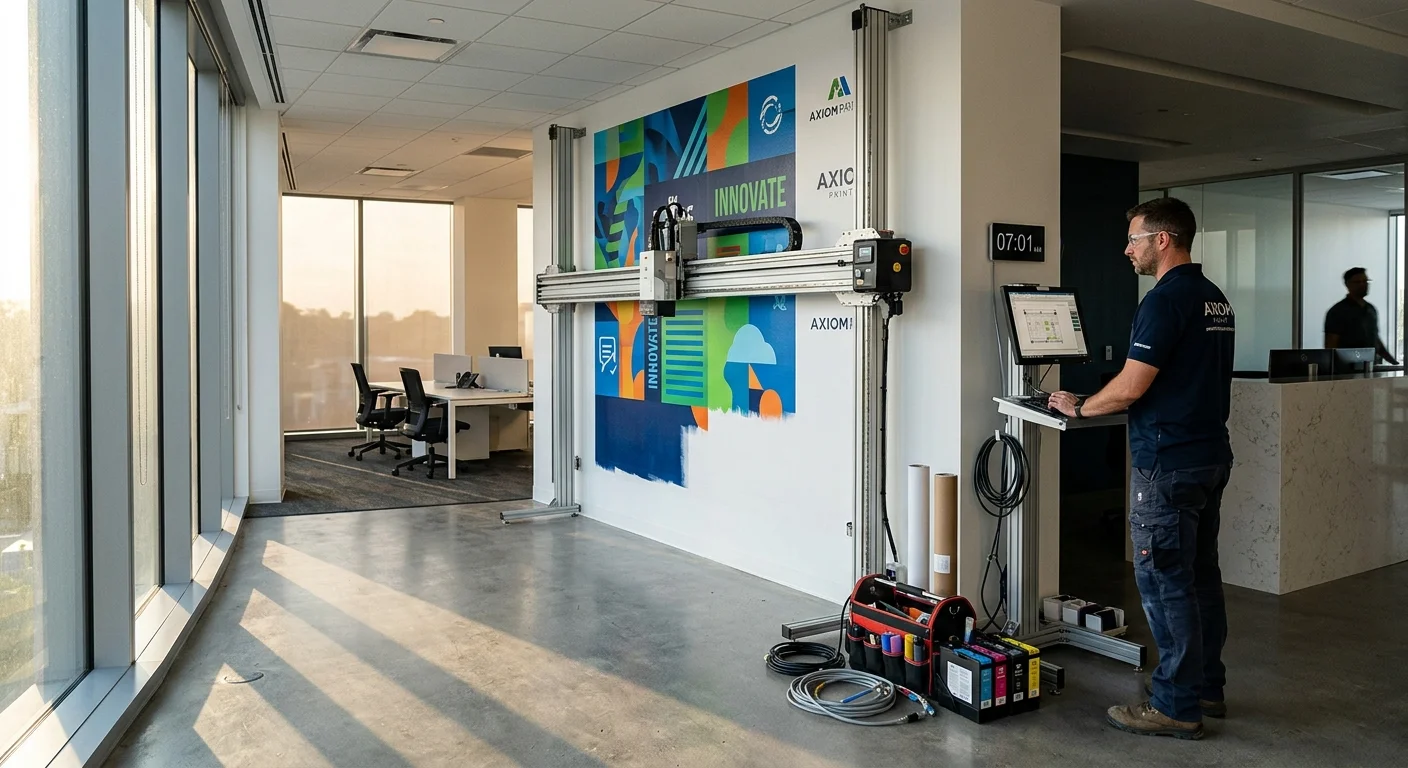
Testing ten brands across four budget tiers teaches you one thing fast. The best large format wall printer isn't the one with the most impressive spec sheet. It's the one that works at 7 a.m. before a client walkthrough — no excuses, no delays.
For most U.S. buyers, that cuts the list down quickly. Focus on brands with domestic warehousing, real technical support, and a solid track record in your type of work. High-volume commercial murals and boutique interior installations have very different demands. Pick a brand that knows yours.
Here's what to do next:
Shortlist two or three brands from your budget tier
Request a live demo — not just a video
Ask directly about parts availability and on-site training
That one conversation tells you more than any spec sheet comparison ever will.
The wall is ready. The question left is simple: which machine — and which brand — earns a spot in front of it with you?
Ready to find the right wall printer for your business? Contact us today for a live demo and a personalized recommendation.