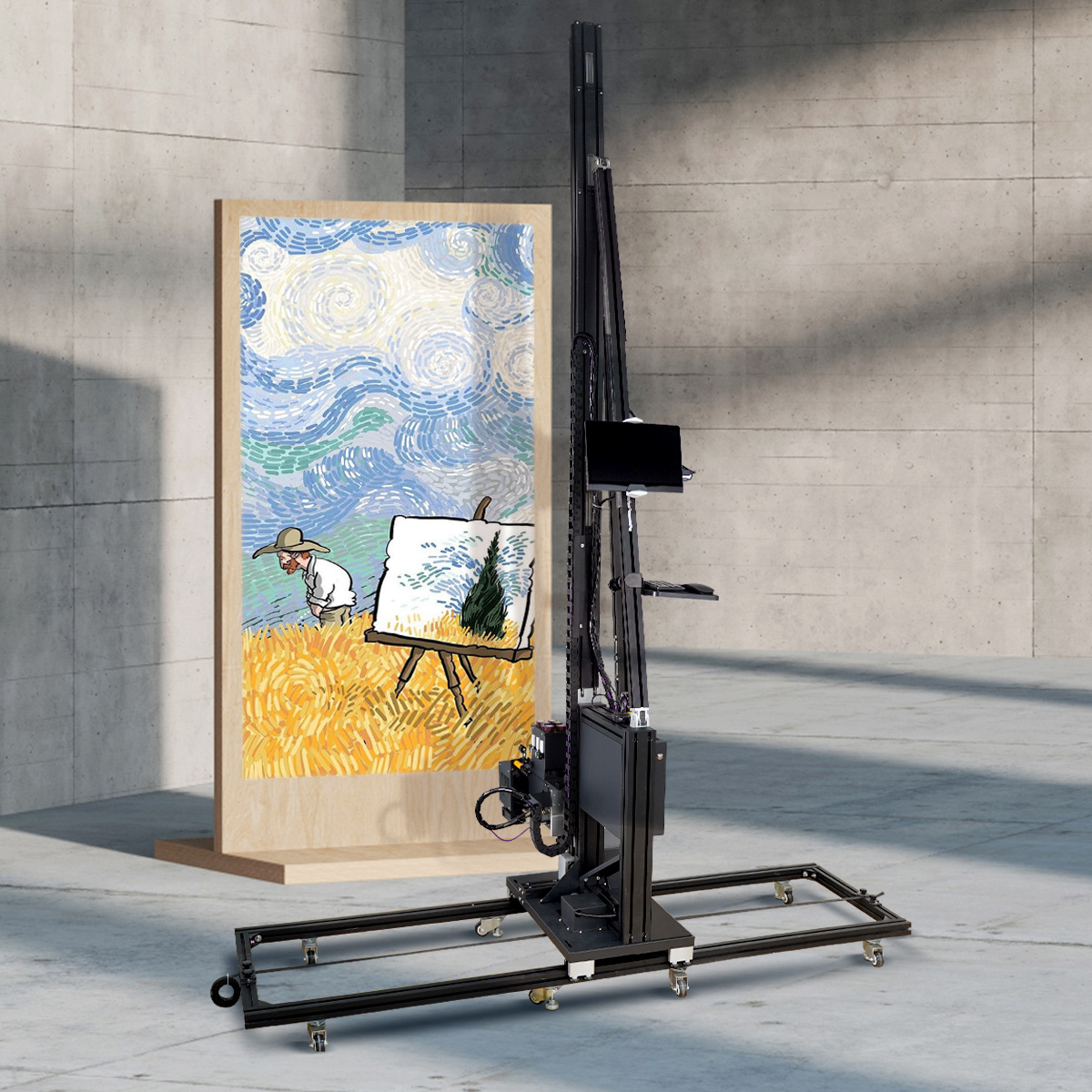
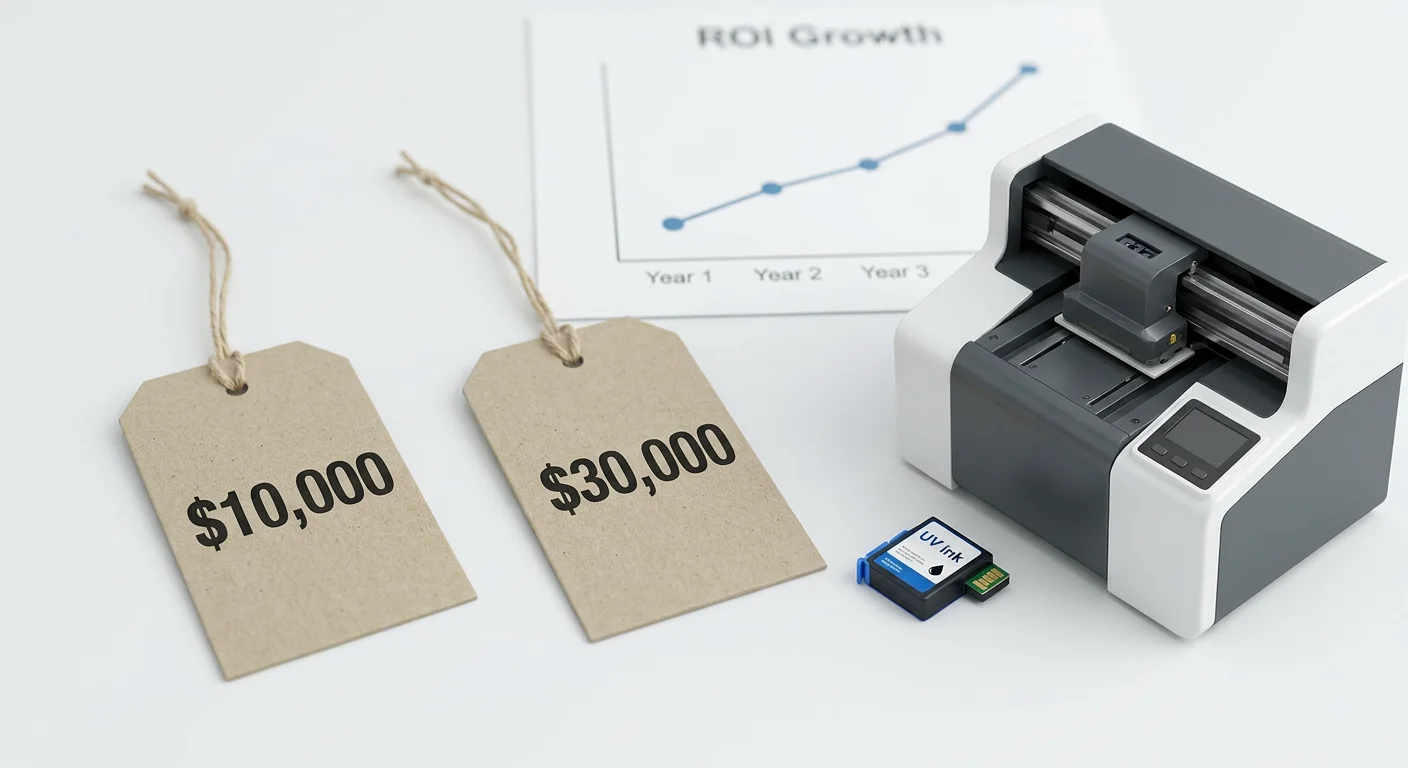
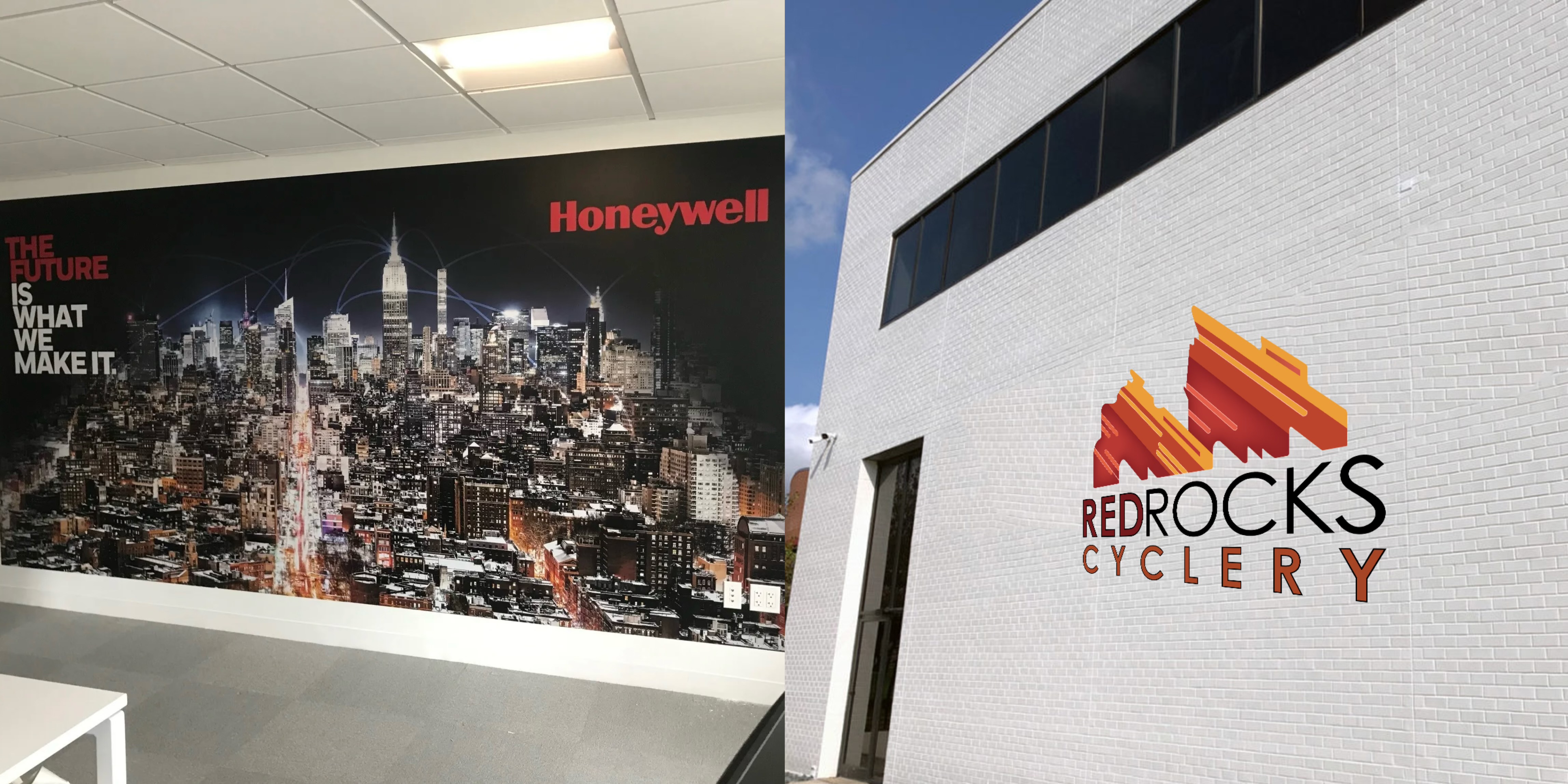
A wall printer typically costs between $3,000 and more than $60,000. The wide price range does not mean these machines perform completely different tasks. It reflects major differences in printhead configuration, ink system, mechanical stability, automation, daily production capacity, and after-sales support.
An entry-level wall printer may be sufficient for testing the market, building a portfolio, and completing occasional residential murals. Commercial systems cost more because they are designed for a wider range of materials, longer working hours, more consistent output, and projects with stricter delivery requirements.
The machine quotation is also not the same as the total amount required to start operating. Shipping, import costs, ink, software, training, extension rails, spare parts, and maintenance tools can add 20% to 50% to the initial investment.
Here is a practical starting point:
Wall Printer Category | Typical Machine Price | Realistic Startup Budget | Best For |
|---|---|---|---|
Entry-level system | $3,000–$8,000 | $5,000–$12,000 | New operators, side businesses, residential and small indoor murals |
Commercial system | $8,000–$20,000 | $12,000–$28,000 | Full-time operators, decorators, hotels, retail stores, and offices |
Premium commercial system | $30,000–$60,000+ | $40,000–$80,000+ | Established contractors, large projects, high utilization, and strict deadlines |
The right price range depends less on how much you can afford and more on how many projects you can realistically sell during your first year.
How Much Does an Entry-Level Wall Printer Cost?
Entry-level wall printers generally cost between $3,000 and $8,000, excluding shipping, taxes, and optional upgrades.
These wall printing machines are suitable for buyers who want to enter the market with limited financial risk. Typical users include individual entrepreneurs, interior decoration studios, mural artists, and companies adding wall printing to an existing service.
Common applications include bedroom feature walls, living rooms, cafés, small retail spaces, event backdrops, and simple branded graphics.
Entry-level machines usually use a single printhead, basic control software, a portable frame, and a relatively simple calibration system. Some use water-based ink, while others offer an entry-level UV ink configuration.
The lower price also comes with practical limitations.
These machines may require more manual leveling and calibration. Their high-quality print modes may be slower, and their frame stability, automatic wall sensing, and continuous-duty capability may not match those of a commercial system.
Support also varies considerably within this price range. Some suppliers include software, training, starter ink, and basic spare parts. Others quote only the machine body and charge separately for everything required to begin printing.
For that reason, a $3,500 printer is not automatically cheaper than a complete $5,500 package.
The more important questions are:
What is included, what must still be purchased, and how soon can the machine complete its first paid project?
What Print Quality Can You Expect From an Entry-Level Machine?
A properly configured entry-level wall printer can produce professional-looking results on suitable surfaces, making it a practical starting point for businesses entering the wall printing market. However, buyers should not judge a machine only by its advertised maximum resolution.
Wall printers commonly use Epson DX-series, or comparable printheads. These heads differ in nozzle count, droplet control, print width, production speed, and maintenance cost.
Some machines advertise maximum resolutions of 1440 dpi or 2880 dpi. This usually refers to the highest available print mode, not the setting used for every commercial project.
Higher resolution normally requires more passes.
The pass count refers to how many times the carriage moves over the same printing area. More passes can improve color uniformity, gradients, and fine details, but they also reduce production speed.
A detailed portrait, small lettering, or close-view illustration may justify a high-resolution, multi-pass mode. A large graphic viewed from several meters away may look equally effective in a faster standard-quality mode.
Instead of asking only for the maximum DPI, buyers should also confirm:
How many passes are required to reach the maximum resolution;
The real speed in standard-quality mode;
Whether complex images show visible banding;
How much speed decreases when white ink is used;
The wall material and settings used for the advertised speed.
The commercially useful specification is not the highest possible DPI. It is whether the printer can complete an entire mural consistently at the quality your customers expect.
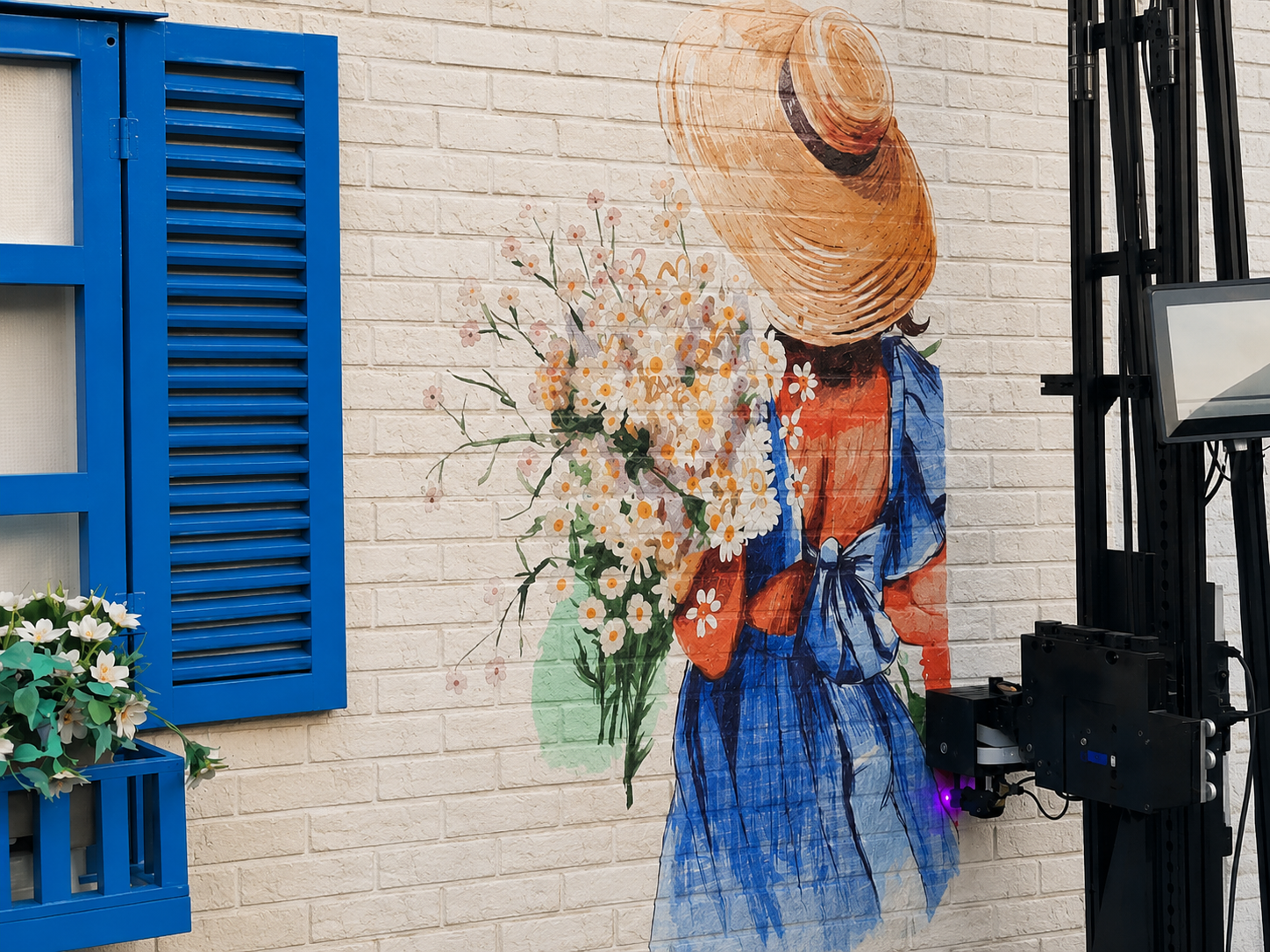
How Much Does a Commercial Wall Printer Cost?
Commercial wall printers commonly cost between $8,000 and $20,000. Premium systems from established European or North American suppliers may cost $30,000 to more than $60,000.
Commercial machines are intended for businesses that expect regular customer work and need greater reliability, faster setup, and more consistent project delivery.
Compared with entry-level models, commercial systems generally offer a stronger frame, more accurate movement, automatic wall-distance sensing, professional RIP software, more stable ink delivery, and higher production capacity.
Some machines use Epson I1600 or I3200-class printheads and may be available with either a single-head or dual-head configuration.
A single-head system is usually simpler and less expensive to purchase and maintain. A dual-head system may separate CMYK and white ink, improving productivity on dark walls and materials that require a white underbase.
The value of a commercial machine is not limited to faster printing.
A good commercial system should reduce repeated calibration, maintain more consistent output between projects, and support a wider range of materials such as painted walls, wood, glass, ceramic tile, brick, and prepared concrete.
For projects in hotels, restaurants, retail stores, offices, schools, and exhibition spaces, machine downtime may affect the customer’s renovation schedule or opening date—not just the mural itself.
Which Technical Specifications Affect Wall Printer Prices?
Several technical factors have a direct effect on wall printer pricing.
Printhead Model and Quantity
The printhead influences speed, detail, droplet placement, and future maintenance costs.
Lower-priced systems generally use one printhead. Commercial machines may use a faster professional head or a dual-head configuration that separates color ink from white ink.
However, two printheads do not automatically guarantee better quality.
Buyers should also confirm whether the heads are new or refurbished, whether the ink delivery system is stable, and whether replacement heads are readily available.
Ink System
Water-based systems are generally less expensive and easier to maintain. They are most suitable for light-colored, absorbent indoor walls.
UV ink cures during printing and can be used on a broader range of prepared materials. UV wall printers equipped with white ink can produce stronger colors on dark walls, glass, wood, ceramic tile, and other special surfaces.
White pigment settles more easily than standard color ink. Commercial white-ink systems therefore often include circulation, agitation, or automatic maintenance functions, which increase the equipment price.
Automatic Wall-Distance Sensing
Walls are rarely perfectly flat.
Brick joints, uneven concrete, textured paint, and surface irregularities can change the distance between the printhead and the wall.
An automatic wall-distance sensor helps the printer maintain a more consistent printing gap. It should also stop the machine or alert the operator when the wall variation exceeds the safe range.
This feature is particularly important for brick, outdoor walls, and textured commercial surfaces.
Buyers should not rely only on the words “automatic sensing” in a specification sheet. Ask the supplier to demonstrate the feature on a visibly uneven wall.
Frame and Motion System
Print quality depends not only on the printhead but also on the rigidity of the frame, the precision of the rails, and the stability of the motors and control system.
Two machines using the same printhead can produce different results if one frame vibrates or loses alignment during vertical movement.
Commercial systems generally invest more in mechanical stability, repeatable positioning, and long-duration operation. This is one reason they cost more.
Software and Print Recovery
Wall printing software must manage image dimensions, color output, sectioning, and wall positioning.
Professional RIP software can improve color management and provide more control over ink density and print modes.
Power-loss recovery or breakpoint continuation is also valuable. If a large mural must be restarted after an interruption, the operator loses not only ink but also labor time and project capacity.
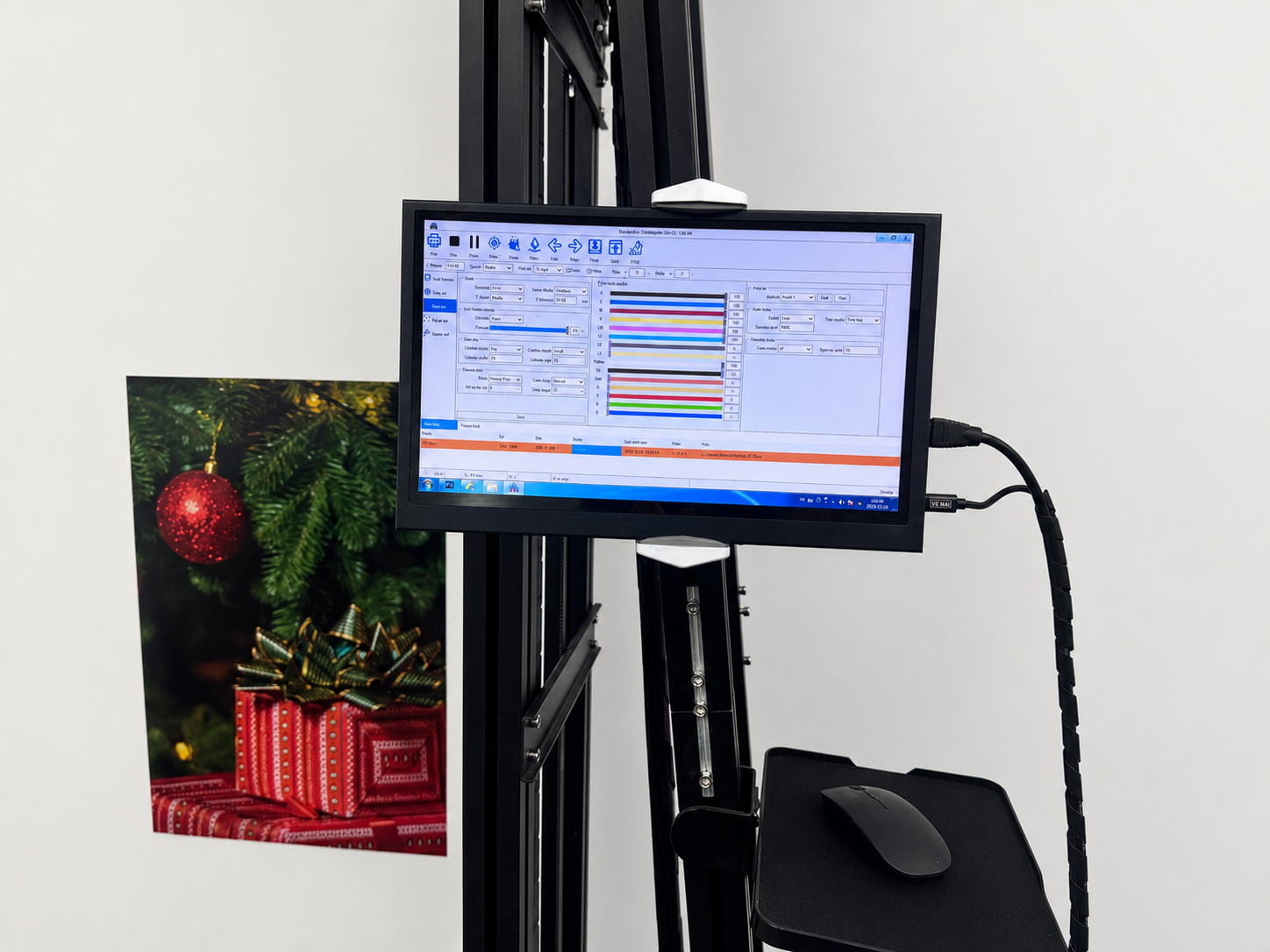
Entry-Level vs. Commercial Wall Printer
Comparison Factor | Entry-Level System | Commercial System |
|---|---|---|
Machine price | $3,000–$8,000 | $8,000–$20,000+ |
Typical workload | Occasional projects or low monthly volume | Regular weekly or daily customer work |
Common printhead setup | Single printhead | High-performance single head or dual heads |
Ink system | Water-based or basic UV | UV, commonly with white-ink circulation |
Print settings | More manual adjustment | Multiple quality modes and saved material profiles |
Wall-distance control | Manual or basic sensing | Automatic sensing and collision protection |
Suitable materials | Smooth, light-colored indoor walls | Dark walls, glass, wood, tile, and selected exterior surfaces |
Main advantage | Lower financial risk | Higher productivity and wider application range |
Main limitation | Lower capacity and automation | Higher purchase and maintenance cost |
An entry-level printer is generally more appropriate when the goal is to test customer demand.
A commercial system usually provides better long-term efficiency when wall printing is already part of a serious business plan.
The Machine Price Is Not the Complete Startup Cost
A wall printer quotation often covers only the equipment.
The real startup cost may also include international shipping, customs clearance, import duties, ink, software, training, voltage protection, extension rails, transportation cases, maintenance supplies, and spare parts.
For example, a wall printer quoted at $6,000 may require another $1,000 to $2,000 for shipping and import-related costs.
Starter ink, accessories, training, and spare parts may add another $1,000 to $3,000.
The total ready-to-operate investment could therefore reach $8,000 to $11,000.
A commercial system quoted at $12,000 may require a total startup budget of $16,000 to $22,000, particularly when the package includes white ink, additional rails, a spare printhead, and extended technical support.
The quotation terms also matter.
An EXW price normally means the buyer is responsible for nearly every cost after the machine leaves the factory. FOB, CIF, and DDP prices include different stages of transportation and delivery, so they should not be compared as though they are identical.
Always compare the complete delivered and ready-to-print cost—not only the factory price of the wall printer machine.
What Should a Complete Wall Printing Package Include?
A transparent quotation should clearly identify the printhead model, number of printheads, ink channels, software, standard rails, effective print height, starter ink, maintenance tools, training, spare parts, warranty, and shipping terms.
Some suppliers offer a complete operating package rather than only a standalone printer.
For example, WallPrintBox follows a Business-in-a-Box approach, combining a portable wall printer with setup guidance, training resources, essential accessories, and tools for project pricing and ROI planning.
For a first-time operator, the value of this type of package is not simply receiving more items in the shipment.
A structured package can reduce the time spent searching for compatible software, consumables, training materials, and business resources after delivery. It can also help the operator understand how to price jobs, calculate project costs, and organize a practical workflow.
However, every included item should still be confirmed in the contract and quotation.
Buyers should verify the exact printhead, ink system, software license, training format, warranty coverage, and spare-parts prices regardless of how the package is marketed.
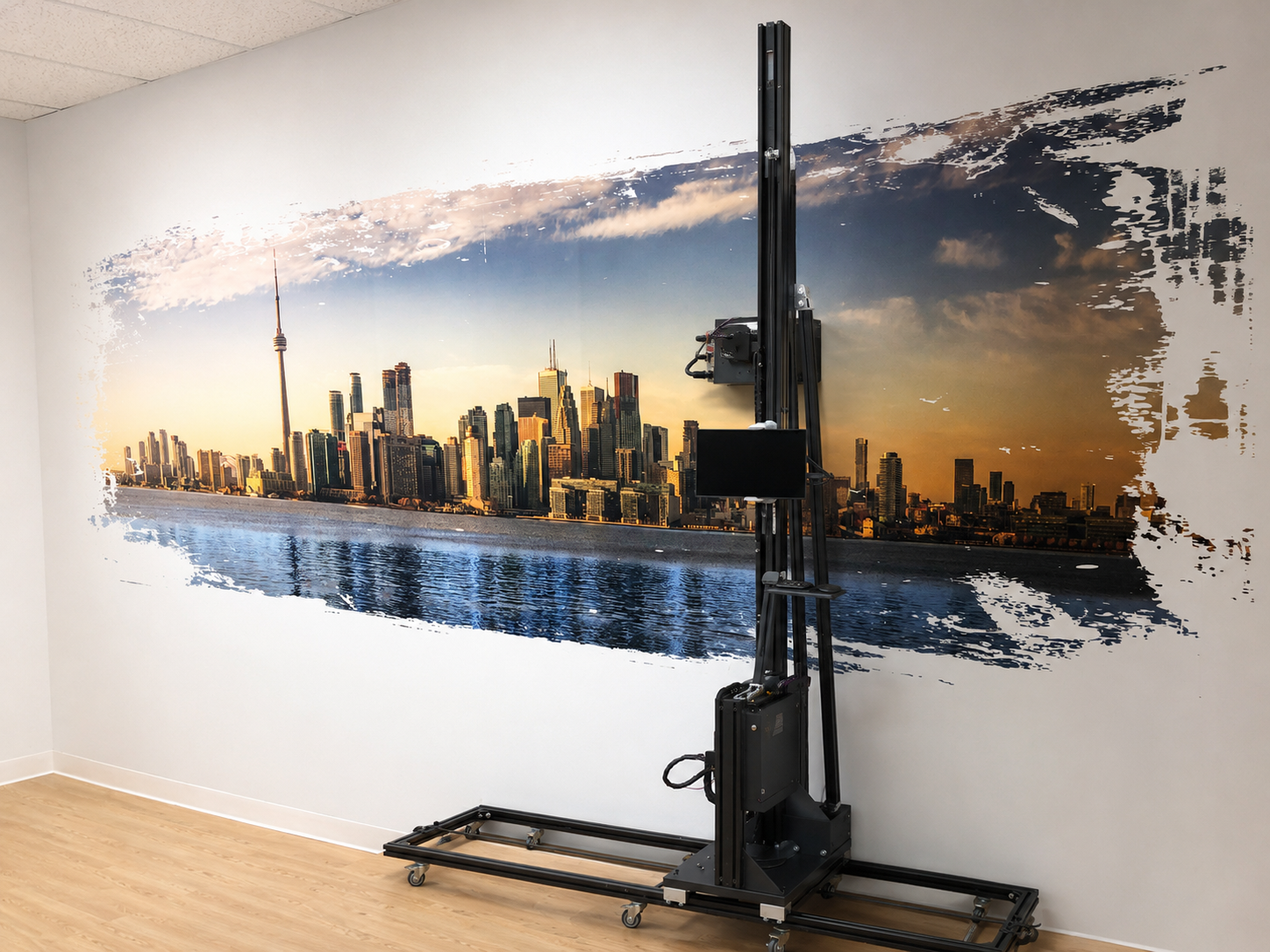
How Much Does a Wall Printer Cost to Operate?
Ink is the most visible operating expense, but it is not always the largest cost within a project.
For a typical wall mural project, direct ink costs may range from less than $1 per square meter to several dollars per square meter, depending on the ink type, image coverage, wall surface, and use of white ink.
Water-based ink is generally less expensive, but its application range is more limited.
UV ink costs more, and white ink increases both consumption and maintenance requirements. In return, UV systems can support a wider range of materials and project types.
Other ongoing expenses include cleaning fluid, filters, dampers, wipers, capping stations, sensors, and eventual printhead replacement.
There is no fixed printhead lifespan that applies to every machine.
Ink quality, cleaning frequency, dust, temperature, humidity, and operator habits all affect printhead condition.
For a regularly used system, reserving approximately 5% to 10% of the equipment price per year for maintenance can be a useful planning figure, although the actual amount should be based on workload and replacement-part prices.
Transportation and labor often have a greater effect on profitability than ink.
A printer that requires two operators and one hour to assemble may create a higher project cost than a slightly more expensive machine that one person can set up quickly.
A more useful calculation is:
Total project cost = ink + surface preparation + labor + transportation + setup + maintenance allowance + finishing
Is an Entry-Level Wall Printer Cheaper in the Long Run?
For a low-volume business, it usually is.
When the company completes only a few murals each month, a commercial machine may remain underused. The additional capacity will not generate enough revenue to justify the larger investment.
However, a low-cost machine can become more expensive as order volume increases.
Longer calibration time, slower high-quality printing, limited material compatibility, and delayed spare-parts delivery may reduce the number of projects the operator can complete each month.
If an inexpensive printer causes a commercial project to be delayed, reprinted, or rejected, the lost revenue may exceed the original purchase-price savings.
The most economical machine is one that can handle your current workload without forcing an immediate upgrade.
How Quickly Can a Wall Printer Pay for Itself?
A wall art printer’s payback period depends on total startup investment, local selling prices, monthly order volume, and actual net profit.
The basic formula is:
Payback period = Total startup investment ÷ Average monthly net profit
Net profit should be calculated after labor, transportation, ink, wall preparation, marketing, maintenance, and fixed operating expenses.
Consider an entry-level example.
A business invests $8,000 in a ready-to-operate package and completes six projects per month.
If each project generates $600 in revenue and $250 in net profit after all costs, monthly net profit would be $1,500. The theoretical payback period would be slightly more than five months.
Now consider a commercial system with a total startup investment of $18,000.
If it allows the business to complete ten projects per month, with an average net profit of $500 per project, theoretical monthly net profit would be $5,000.
Provided those orders genuinely exist, the theoretical payback period could be under four months.
This does not mean a commercial machine is automatically more profitable. It shows that a more expensive printer can recover its cost faster when the project pipeline, pricing, and production capacity support it.
New businesses should use conservative order forecasts.
Without stable customer demand, there is no reliable payback period—regardless of the printer’s resolution or speed.

Which Price Range Is Right for Your Business?
Consider an entry-level system when you are still testing the market, expect limited monthly volume, and mainly plan to complete residential or small indoor murals.
A complete startup budget of $5,000 to $12,000 is usually more realistic than budgeting only for the machine quotation.
Choose a commercial system when wall printing will become a regular service, customers frequently request dark walls or special materials, white ink is important, and project deadlines make reliability more valuable.
Depending on the printhead, ink system, rails, spare parts, and shipping terms, the complete startup budget may fall between $12,000 and $28,000.
Systems priced above $30,000 are more suitable for established businesses with regular commercial contracts, high machine utilization, strict deadlines, or a strong need for local installation and rapid technical support.
Do not buy premium capacity simply because the business may grow in the future.
At the same time, do not select an entry-level machine if its print speed, effective height, or material compatibility will prevent you from completing projects already in your pipeline.
How Should You Compare Supplier Quotes?
A reliable quotation should provide clear line items rather than only one total price.
At minimum, confirm:
The exact printhead brand and model;
Whether the printhead is new or refurbished;
Whether the system uses one or two printheads;
How CMYK and white ink channels are configured;
The pass count required for the maximum DPI;
The real speed in standard-quality mode;
The production speed when white ink is used;
Whether automatic wall sensing can be demonstrated;
Whether the software requires renewal fees;
The post-warranty prices of printheads, control boards, and sensors;
Whether the quotation is EXW, FOB, CIF, or DDP.
Whenever possible, ask the supplier to perform a timed sample print using your own artwork and target wall material.
The test video should show the wall surface, print area, DPI, pass count, white-ink use, setup time, print time, and close-up result.
A transparent supplier should make the complete cost easier to understand—not force the buyer to discover hidden expenses and technical limitations after delivery.
Conclusion
Entry-level and commercial wall printers are designed for different stages of a wall printing business.
An entry-level system allows a new operator to test the market, build a portfolio, and begin completing residential or small commercial projects with lower financial risk.
A commercial wall printer costs more because it generally provides a more stable printhead system, better white-ink circulation, higher productivity, broader material compatibility, and stronger support for regular paid work.
Do not compare machines only by isolated claims such as “2880 dpi” or “15 square meters per hour.”
The printhead model, pass count, white-ink configuration, real production speed, wall sensing, setup time, spare-parts availability, and after-sales support all need to be considered together.
The best-value wall printer is not necessarily the machine with the highest resolution or lowest price. It is the one that can consistently deliver the quality your customers expect while recovering its investment at a realistic order volume.
Not sure whether an entry-level or commercial system fits your plans?
Send WallPrintBox your target wall materials, typical mural dimensions, required image quality, expected monthly project volume, and delivery country. The team can recommend a suitable printhead, ink system, and machine configuration, arrange a sample print, and provide an itemized delivered quotation with an ROI estimate.